
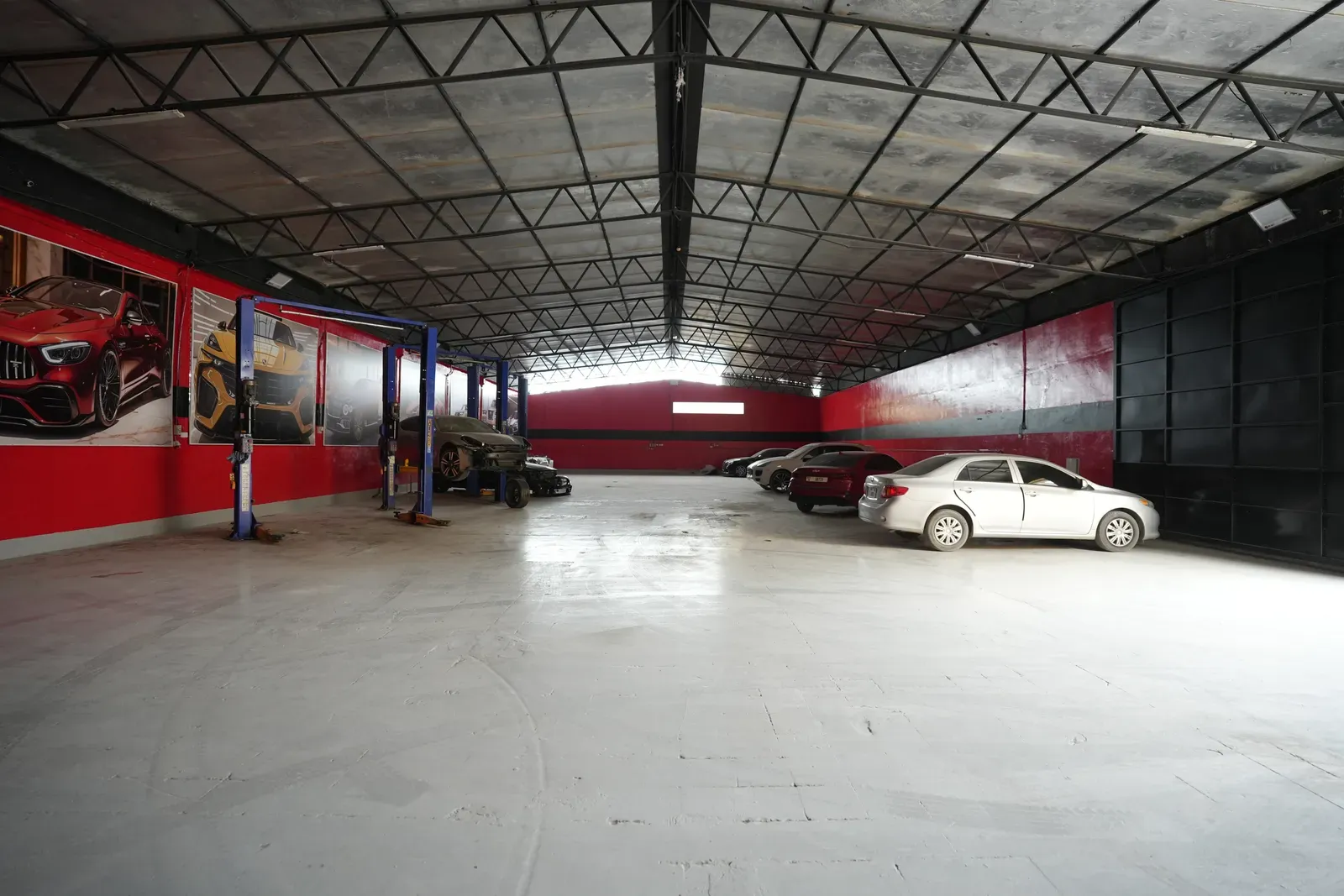
Japanese, Korean and everything else
Toyota, Nissan, Honda, Mitsubishi, Hyundai, Kia — and the British, Chinese and European makes that do not fit anywhere else. This is most of the road in Sharjah, and most of what is on the floor on any given day.
The process is the same one every car here gets: the fault is found and priced before it is touched.
The honest version of this page
There is no special handling to describe here, and pretending otherwise would be the easiest lie on this website. What there is: these are the cars we see most, and a short list of the things that actually go wrong with them in this climate.
- 01
This is most of this floor, and it gets the same attention
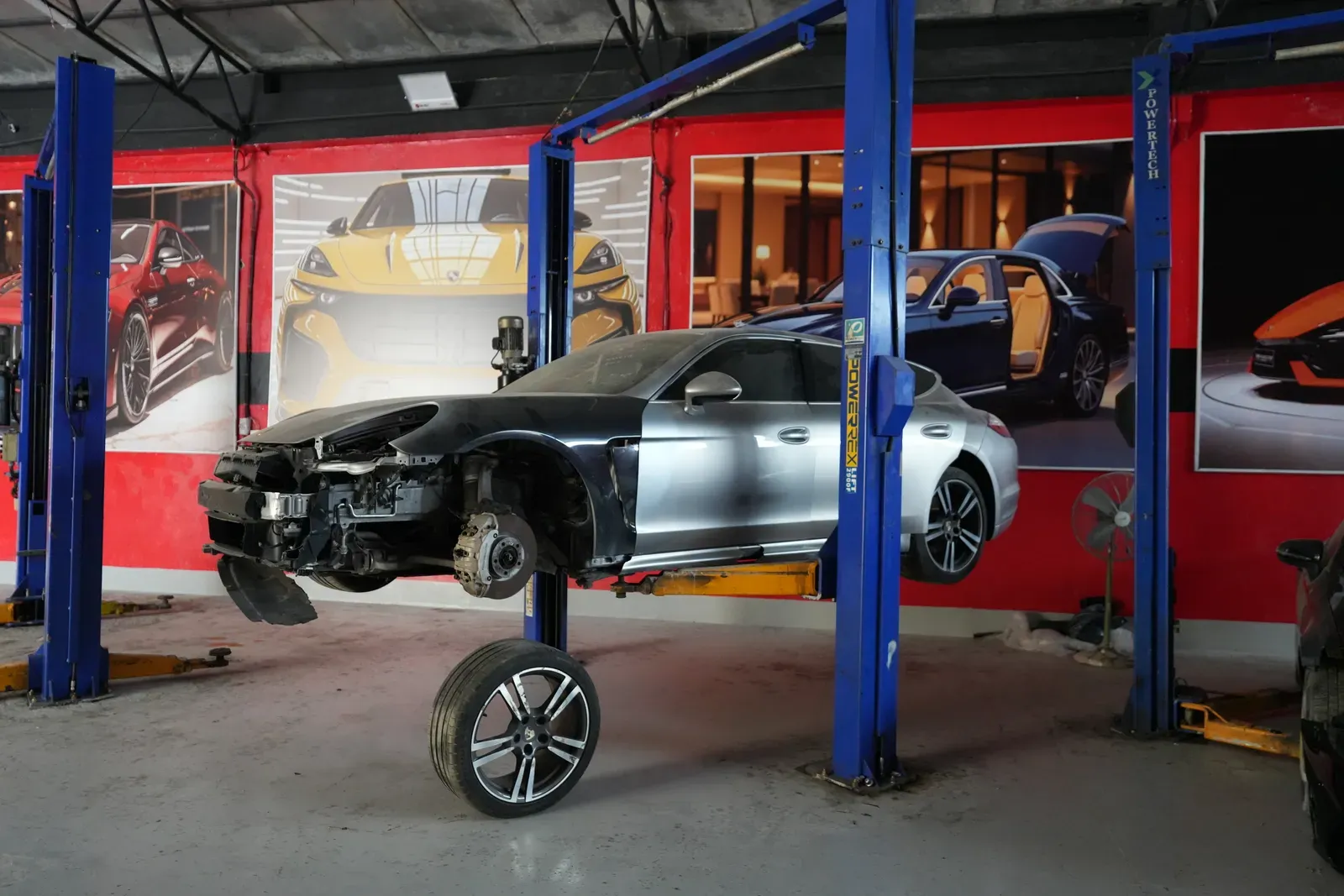
A Corolla and a 911 go through the same process here: the fault is found, it is written down, it is priced, and you approve it line by line before anything is touched. Nothing about that process gets shortened because the car is ordinary. Ordinary cars are the ones people actually depend on to get to work.
- 02
Parts on a shelf change the advice, not just the bill
When a part is available in Sharjah the same day, the right repair and the affordable repair are usually the same repair. It also means you can genuinely be offered a choice — the genuine part and a good aftermarket one, with the real difference between them explained rather than implied.
- 03
If it has a CVT, the fluid is the component
A continuously variable transmission is heat-sensitive and its fluid is a specification, not a general-purpose type. Traffic, hills out of a basement car park and 45°C ambient are exactly the duty it likes least. We check the fluid and the cooler rather than assume them, and a shudder or a flare on a light throttle is worth showing us early rather than late.
- 04
Belt or chain — know which one your engine has
A timing belt has a replacement interval that is a date as well as a distance, and heat ages rubber whether the car is driven or not. A chain instead has a tensioner and guides that wear, and it announces itself with a rattle on a cold start. Either way it is a scheduled item, and either way it is cheap next to what it costs when it lets go.
- 05
The air conditioning is not a luxury item on the job card
In this country a car that does not cool is a car that cannot be used, so it is treated as a fault and not as a comfort complaint. Pressures are read on both sides, the condenser is looked at for the dust that blocks it, and the leak is found before the system is topped up — topping up a leaking system is selling you the same gas twice.
The car that pays the rent in this country is a Japanese or Korean one. It is not the car a workshop website usually puts on the front page, and that is the whole reason this page exists.
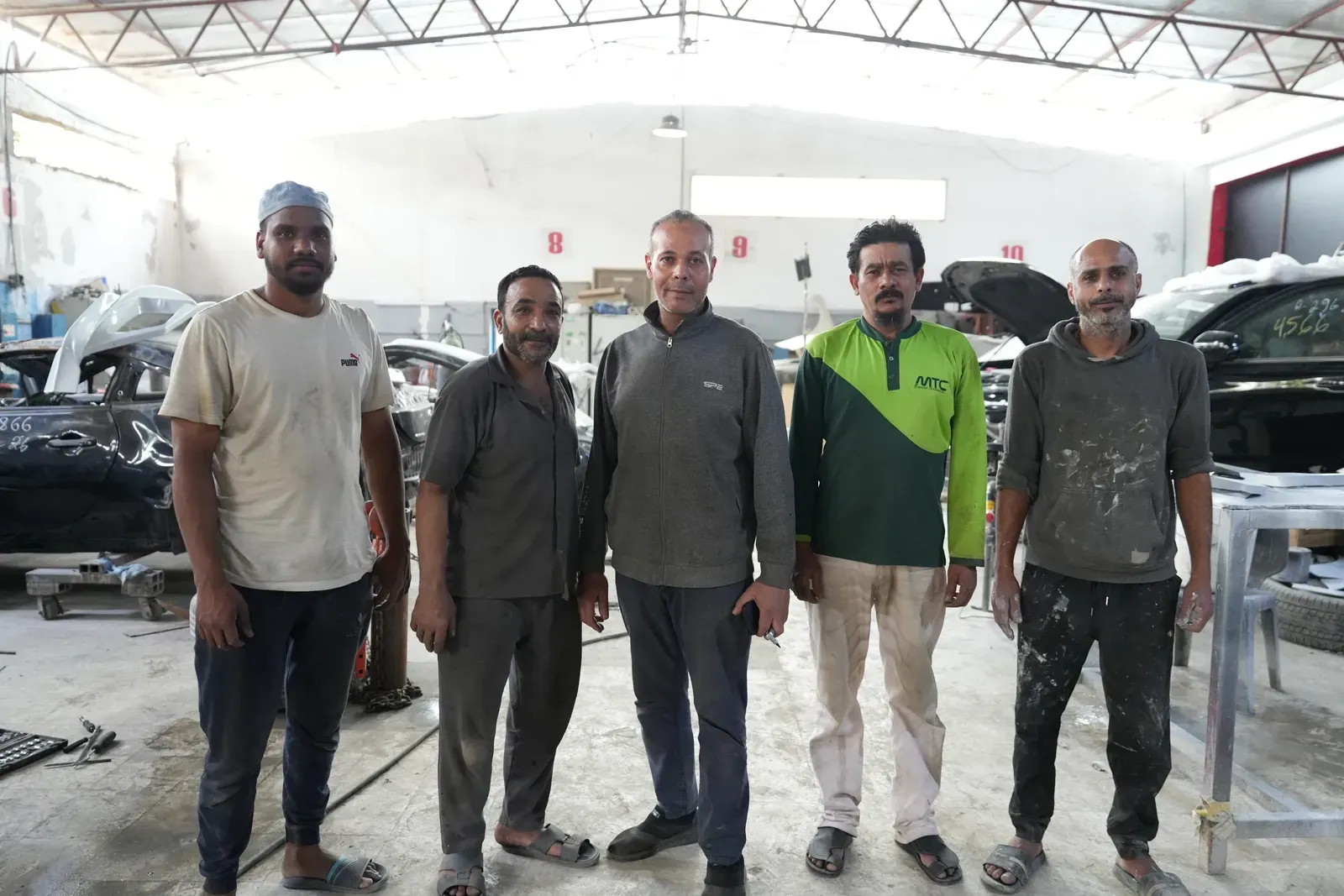
The workshop crew — the people who will do the work on your car.
The makes that come through the door
- Toyota
- Lexus
- Nissan
- Infiniti
- Honda
- Mitsubishi
- Mazda
- Suzuki
- Hyundai
- Kia
- Genesis
- Land Rover
- Jaguar
- MG
- Chery
- Haval
- Changan
If a make is not on this list it does not mean we cannot take the car — it means we did not want to write a list long enough to be meaningless. Ask.
What the summer reaches first on an ordinary car
These cars are driven every day, in traffic, with the air conditioning on from March to November. That is the hardest duty cycle in the manufacturer’s own book, and it is the one almost every car in Sharjah is actually doing.
- The air-conditioning system, from the cabin filter to the condenser to the leak nobody looked for.
- The battery — heat is what ends it, and it usually ends it without warning on the hottest morning of the year.
- Engine and cabin air filters, which fill with dust long before the kilometre schedule expects it.
- Oil, on the severe-use interval rather than the long one, because short urban trips in heat are exactly what severe use means.
- Wiper blades, door seals and the top of the dashboard — sun damage, and the first thing a buyer looks at.
- Coolant, and the hoses around it. The temperature gauge is not an early warning system; the coolant’s condition is.
What to have ready when you get in touch
These are the cars we see most, which means the fault you have is one somebody has had before. Five things in a first message are usually enough for us to tell you whether it is that one.
- The make, the model year and which engine, if you know it — the same model often came with two, and they do not fail the same way.
- What the car is actually doing — the noise, the smell, the warning light — and when it does it: cold, hot, turning, braking, or all the time.
- Whether anyone has looked at it already, and what you were told. We would rather know what has been ruled out than rule it out twice.
- Any recent work, and who did it. A fault that appeared straight after a job usually belongs to that job, and that is the quickest thing to check.
- Whether it still drives, or needs collecting. If it does not move, say so first — it changes what we arrange, not whether we take it.
The common car, treated like the rare one
Book it in, or send us what it is doing and we will tell you what we would look at first. No price is given before somebody has seen the car.
Related services
- Car servicing Oil, filters and fluids, plus an inspection that tells you what is coming.
- Car AC repair Leak testing, regas, compressor and evaporator work.
- Brake repair Pads, discs, calipers and fluid — what is actually worn, priced before it is replaced.
- Car diagnostics Scan, live data and testing until the fault is proved — not a code read off a screen.
- Car battery Tested before it is replaced, and registered to the car when the car requires it.
- Automatic gearbox repair Gearbox diagnosis, rebuild, replacement — and the three prices next to each other.
- Pre-purchase inspection Before you hand over the money, have the car put on a lift and looked at properly by someone who is not selling it to you.