
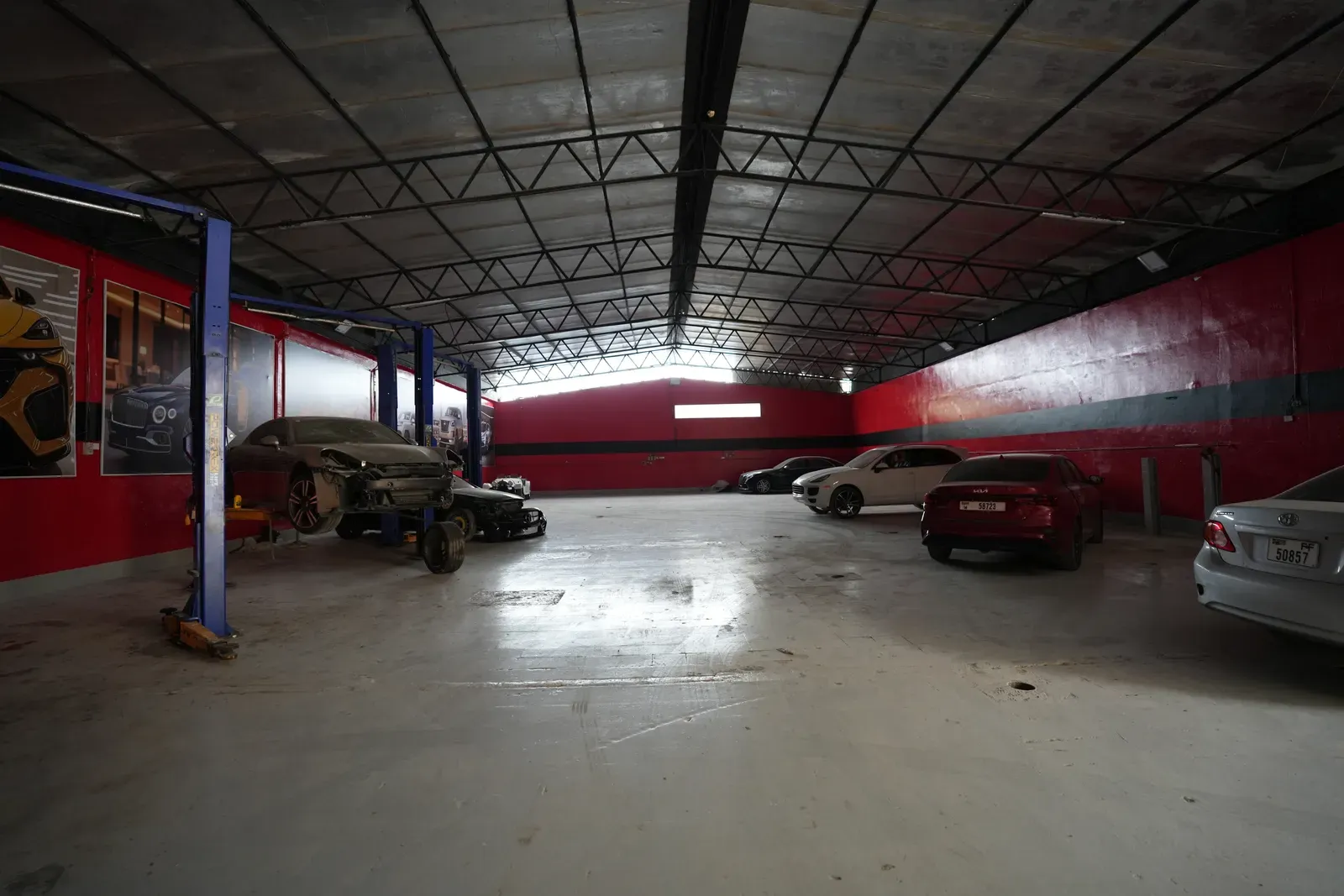
Car detailing
Detailing is deep cleaning, done by hand, inside and out. It takes off what is sitting ON the car — road film, tar, the gritty specks bonded into the paint that you can feel with a fingertip, the dust packed into the vents, the stains in the carpet — and it gives you back a car that is clean. That is also its honest limit: detailing does not remove scratches from the paint, and it is not a protective layer. It is the job you want before you sell the car, after it has stood outside all summer, or when the inside has stopped feeling like yours.
Start here
- 1Describe what the car is doing, in your words
- 2We investigate it and send you the findings and the price
- 3You approve each line before anything is done
1
Sounds like your car?
Find the line closest to what your car is doing. You do not need the name of the job — the symptom is carried into the booking form with it, and every line below starts at the same place: what we check, and how the work is done.
- 1 The car just looks tired
- 2 It has been parked outside all summer
- 3 There is sand and dust in everything
- 4 I am selling the car next month
- 5 The seats smell
- 6 There are water spots all over the paint that will not wash off
- 7 Something spilled in the back
- 8 The paint feels rough when I run my hand over it
- 9 I am handing a leased car back
2
What is included
- 2.1Wheels, tyres, arches and brake dust cleaned first, so the grit taken off them is never dragged across clean paint afterwards
- 2.2Pre-rinse and foam to lift loose sand before any cloth touches the paint, because most of the fine scratching in a car’s paint is put there by washing it
- 2.3Two-bucket hand wash, so the dirt that comes off the car does not go back onto it on the next pass
- 2.4Tar, glue residue and paint overspray taken off the panels and glass by hand
- 2.5Bonded contamination drawn out of the paint with a clay bar until the surface is smooth to the fingertips — this is the step an ordinary wash leaves behind
- 2.6Door shuts, fuel flap, boot lip and bonnet edges cleaned: the places a quick wash never reaches and a buyer always opens
- 2.7Glass cleaned inside and out, including the top edge of the side windows that only shows when the window is down
- 2.8Interior vacuumed through, including under the seats and along the seat rails
- 2.9Plastics, vinyl and screens cleaned with something that leaves them matt and grippy rather than shiny and slippery
- 2.10Fabric seats and carpets shampooed and extracted where they are marked
- 2.11Leather cleaned gently, and any damage in it reported to you rather than dressed over
- 2.12Vents, switches, cupholders and door pockets emptied and cleaned out
- 2.13Anything cleaning will not fix — a scratch through the paint, a burn in a seat, a broken trim clip — written down and priced as its own job instead of being hidden under a dressing
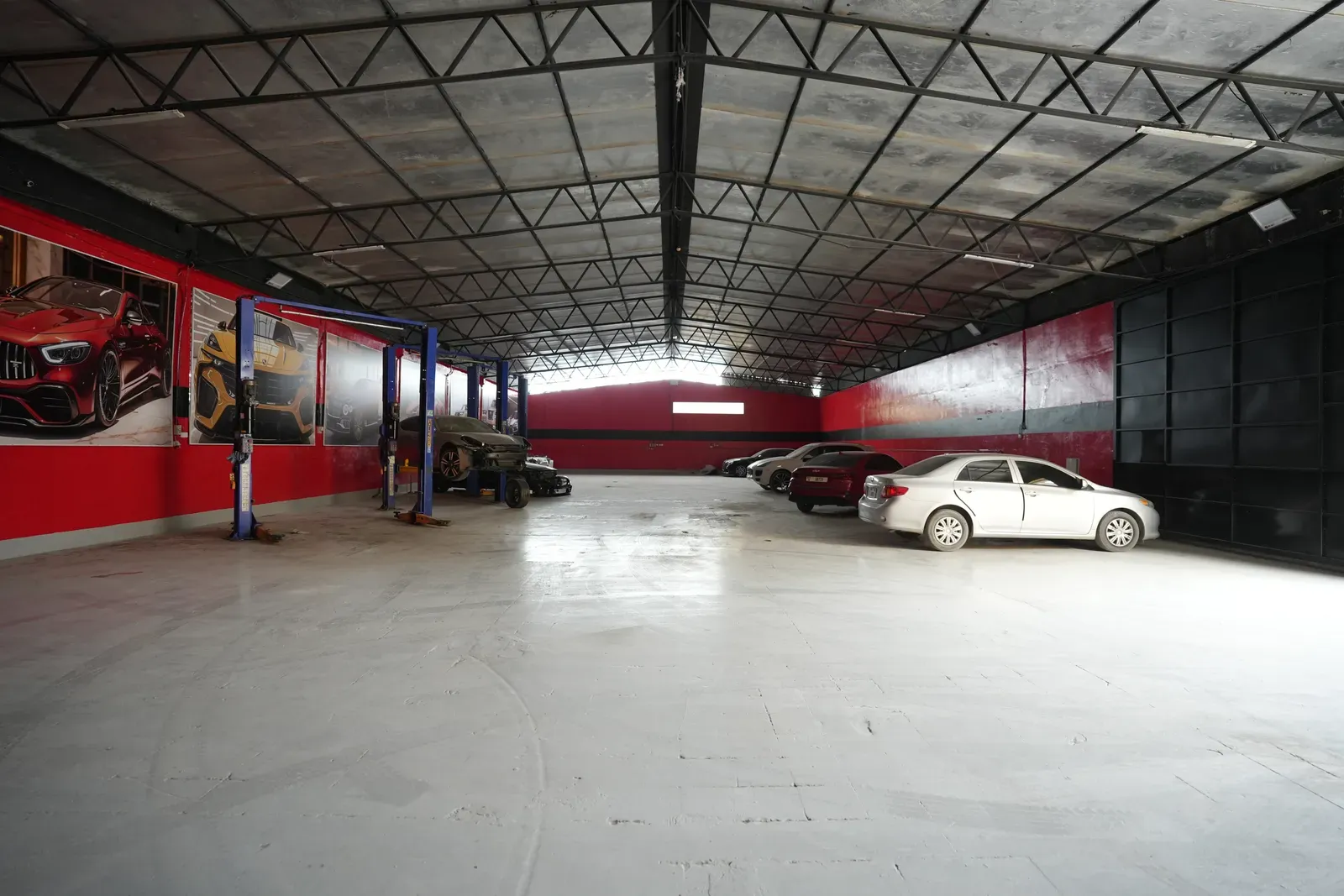
This work is done in this workshop, and nothing on your car is touched until you know what we found and what it costs.
3
What happens
-
3.1
We tell you what cleaning cannot fix, first
The car is looked over in daylight before anything is quoted, and you are told which marks are dirt and which are damage. Dirt comes off in this job. Damage — a scratch you can catch a fingernail in, a burn, a tear, a faded plastic trim — does not, and pretending otherwise is how a customer ends up disappointed at collection. Anything in the second list is priced separately and you decide whether to do it.
-
3.2
Dirtiest parts first, and nothing dry
Wheels and arches are done before the bodywork, because they hold the coarsest grit on the car. Then the paint is rinsed and foamed and left to soak, so the sand is floated off rather than rubbed along the panel. A car in this climate carries sharp dust, and a dry wipe on a dusty panel is the single commonest way paint gets scratched.
-
3.3
Decontamination — the step a wash skips
After washing, the paint still holds specks that have bonded to it: tar, industrial fallout, overspray from a nearby job. They are what makes a clean car still feel rough. A clay bar lifts them out mechanically. This does not shine the paint and does not fill anything — it simply leaves a smooth surface, which is also the surface any polish or coating afterwards needs in order to work at all.
-
3.4
Inside, including the parts nobody reaches
Seats come forward and back so the rails and the carpet beneath them are actually cleaned. Vents, seat belts in their full length, the gap between seat and console, and the boot floor under the mat are all done, because those are the places a smell lives. Fabric is shampooed and the water extracted rather than left in the foam, since damp trim in humid air is exactly how a car starts to smell in the first place.
4
Common questions
Detailing, polishing, ceramic coating, film — what is the actual difference?
Four different jobs. Detailing CLEANS: it removes what is on the car, inside and out, and removes nothing from the paint itself. Polishing CORRECTS: a machine takes off an extremely fine layer of the clear coat so the scratches and swirl marks inside it are cut away — it is the only one of the four that removes a defect. A ceramic coating PROTECTS CHEMICALLY: a liquid that hardens into a thin layer on top of the paint, making the car easier to wash and more resistant to chemicals and sun; it wears away over time and will not stop a stone. Paint protection film PROTECTS PHYSICALLY: a clear plastic film stuck onto the panel, thick enough to take a chip or a car-park scuff that would otherwise reach your paint. The order is the order of that list: clean it, then correct it, then protect it. Protection applied over dirty or scratched paint locks in the dirt and the scratches.
Will detailing get my scratches out?
No. Detailing cleans; polishing is what removes scratches, and it is a separate job on this list. The useful test you can do yourself is to run a fingernail lightly across the mark: if it catches, the scratch has gone through the clear coat and polishing will reduce how much it shows rather than erase it. If it does not catch, it is in the clear coat and polishing can usually take it out. We will do that test with you before anything is quoted.
How long does a detail last?
As long as the car stays clean, which depends on where it is parked and how it is washed afterwards, so nobody can honestly give you a number in months. What we will tell you is the thing that actually shortens it: dry-wiping dust off a parked car, and automatic brush washes. If you want the result to survive longer than the conditions allow on their own, that is a coating or a film, and we would rather say so than sell you a wax and call it protection.
Can you do it while I wait?
Detailing is not a fast wash, and a version of it done quickly is just a wash with a bigger bill. Tell us when you need the car back and what matters most to you — the interior, the paint, or getting it ready to be seen by a buyer — and we will tell you honestly what fits in that time and what does not, before you leave it.
Related services
Work that is often quoted alongside this, each with its own page.
- Car polishing Machine polishing to take the scratches and swirl marks out of the paint itself.
- Ceramic coating A hard chemical layer on top of the paint — easier washing, not armour against stones.
- Paint protection film (PPF) A clear film stuck onto the panels — real thickness, so a stone hits the film and not your paint.
- Upholstery and interior trim Seats, door panels, headliner and carpets — repaired, recovered or replaced.