
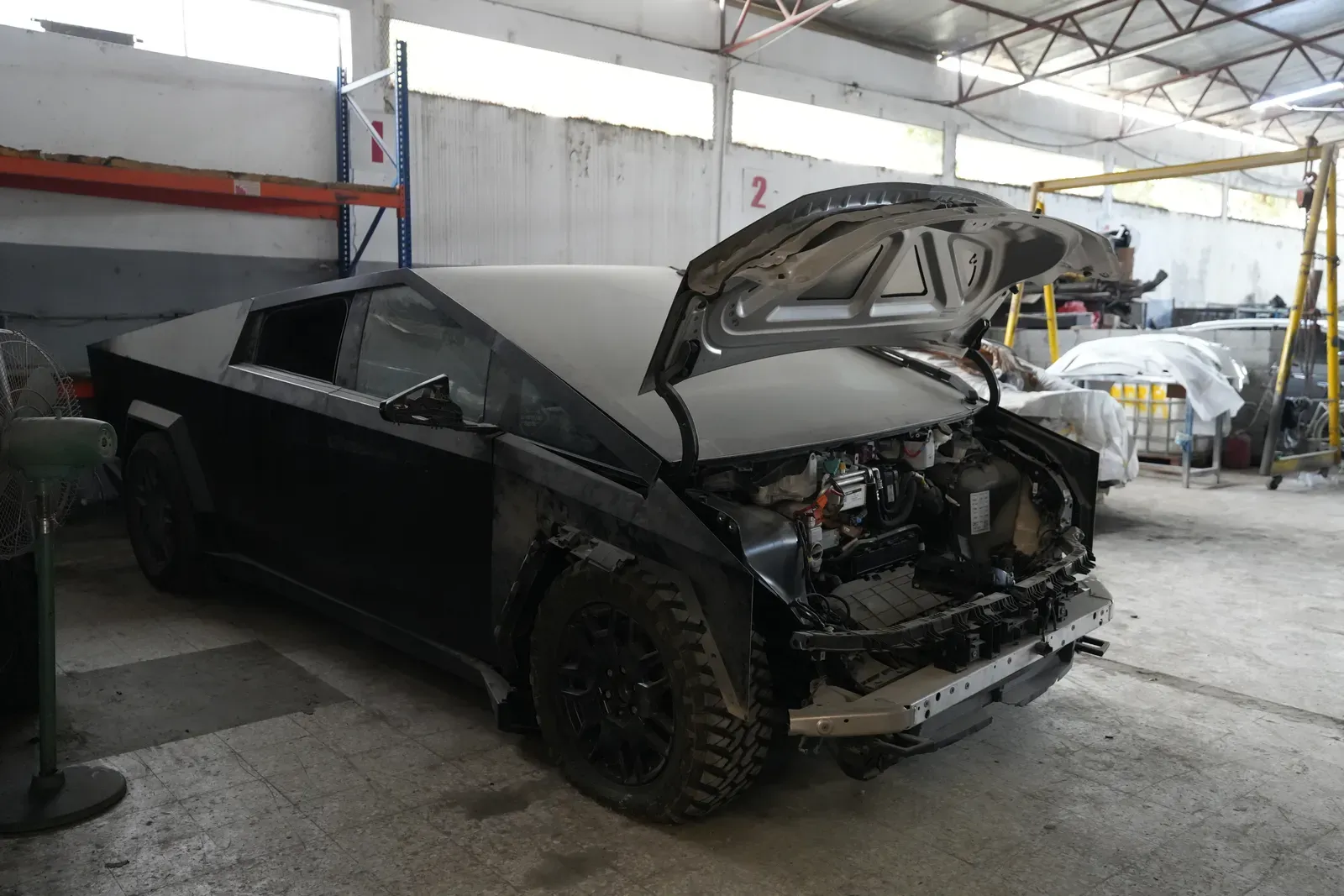
American cars
Escalade, Tahoe, Yukon, F-150, Charger, Wrangler. Large engines and heavy bodies, in a climate that gives the brakes, the suspension and the gearbox no help at all.
We work on these makes. We are not approved, authorised or appointed by any of them.
What the weight and the heat change
These are not fragile cars. They are heavy ones, and weight decides which parts of them wear and how often. Knowing that in advance turns most of this from a breakdown into a schedule.
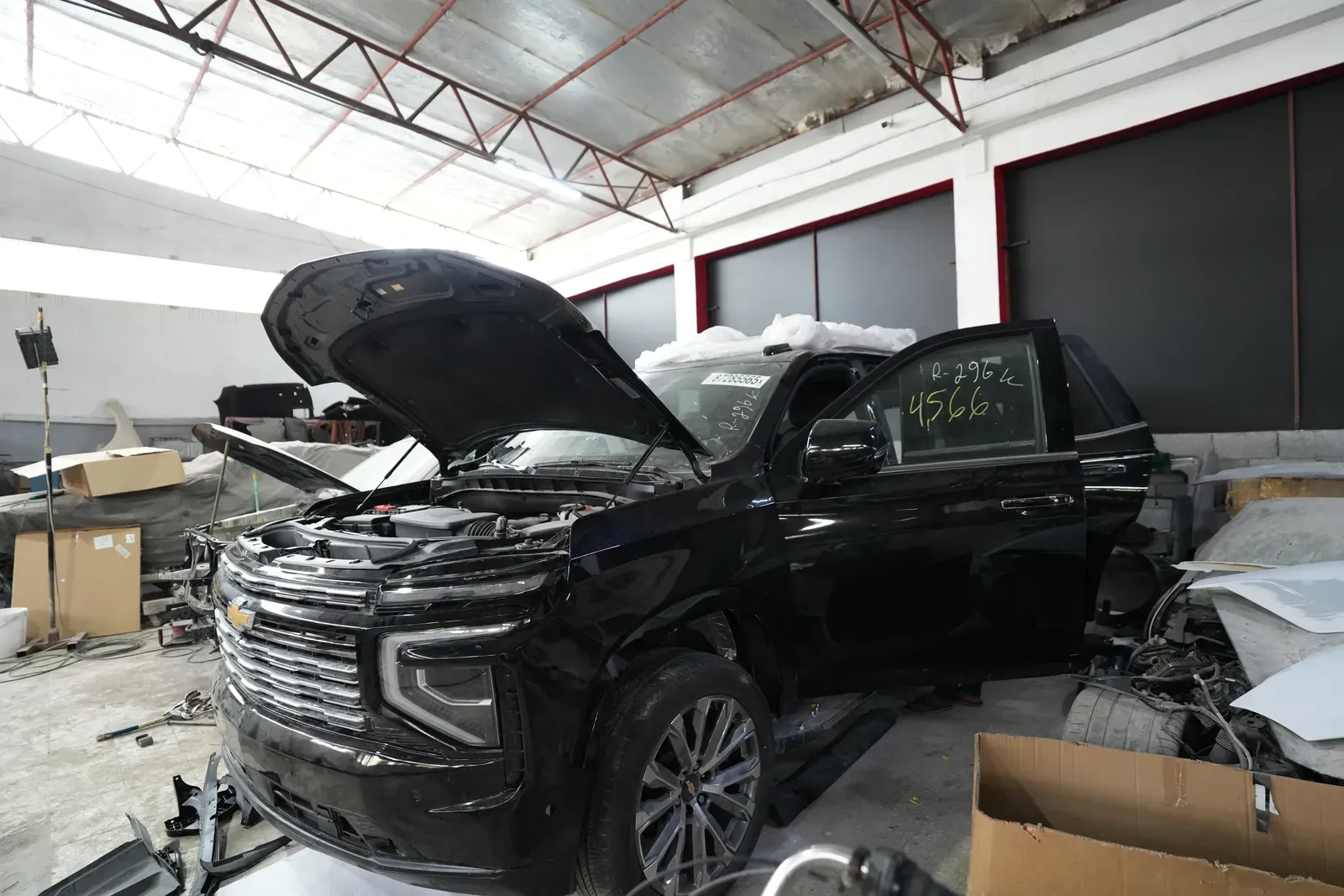
- 01
Brake wear on a full-size SUV is a schedule, not a fault
A car this heavy carries its mass into every stop, and 45°C air gives the discs nothing to cool into. Pads and discs go through faster than on a saloon, and so do wheel bearings, bushes and dampers. That is normal. What is not normal is finding out from the noise, so brake material and disc condition are measured and you are shown where they are against the limit.
- 02
Air suspension is a heat and dust component
Air springs are rubber under constant pressure in an environment that hardens rubber. The failure is rarely sudden: a corner that has settled overnight, or a compressor running longer and more often than it used to, is the car telling you where it is going. Caught there it is a bag and a dryer. Ignored, it is a compressor as well.
- 03
Eight cylinders means eight of everything
Plugs, coils and injectors are ordinary parts; on a V8 the count is what you are paying for, not the part. On a misfire we identify the cylinder and prove the cause on that cylinder before anything is replaced in a set — and if a set is genuinely the right call, you are told why before you approve it.
- 04
Heat goes into the gearbox as well as the engine
A large V8 moving a heavy body with the air conditioning at full load in August puts real heat through the transmission fluid and through the coolers in front of the radiator. Fluid condition is checked rather than assumed, and where a cooler is packed with dust that is a finding in its own right — it is the same blockage that makes the cabin stop cooling.
- 05
Parts are the easy part of an American car
There are enough of these cars in this country that genuine and good aftermarket parts are usually on a shelf here rather than on a plane. That changes the conversation: on most jobs you can be offered both, with the real difference between them explained, and you choose.
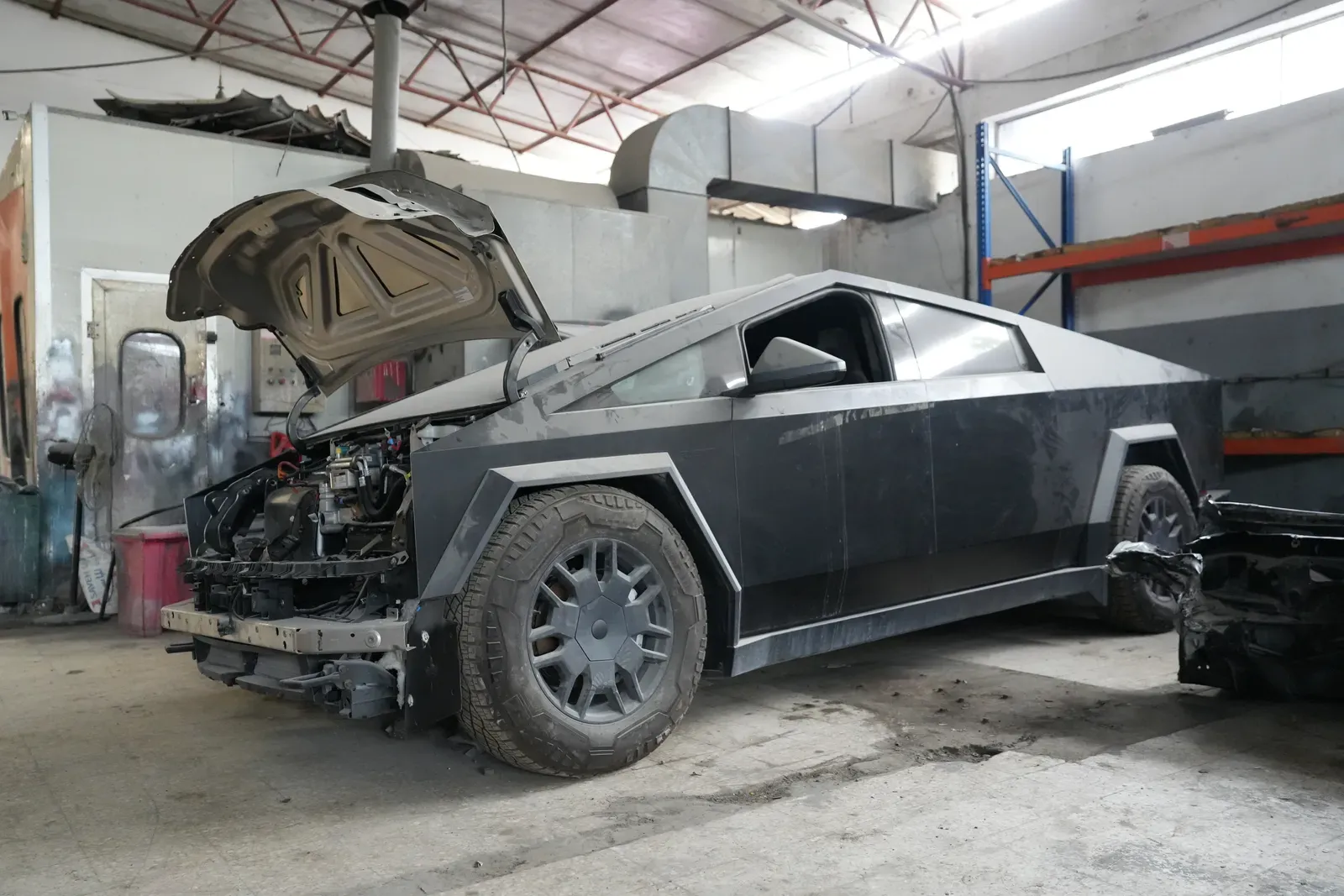
A heavy car does not need a different kind of workshop. It needs the wear measured before it is quoted, which is the same rule as everything else here.
The workshop in Sharjah.
The makes that come through the door
- Cadillac
- Chevrolet
- GMC
- Ford
- Dodge
- RAM
- Jeep
- Lincoln
Listed because we work on them. Nothing here is a claim of approval, authorisation or any other relationship with the companies that build them.
The parts this climate reaches first
Weight and heat push at the same components, which is why the list for these cars is shorter and more predictable than most. Predictable is good news: it means it can be scheduled instead of survived.
- Brake pads, discs and fluid — the fluid absorbs moisture over time and moisture lowers its boiling point, which matters more on a heavy car.
- Air spring bags, and the compressor that starts working overtime once one of them leaks.
- Bushes, ball joints and dampers, which carry more load on these cars than on anything else in the car park.
- The condenser and the coolers in front of it, which fill with dust and take the engine and the gearbox temperature up with them.
- The battery — heat, not cold, is what ends one, and a large engine asks a lot of a tired battery at midday.
- Paint, plastic trim and rubber seals, which lose to ultraviolet before they lose to anything mechanical.
What to have ready when you get in touch
Big engines and heavy bodies wear brakes and suspension at their own rate, and parts availability varies more than it does on a German car. These five decide how fast we can give you an answer.
- The make, the model year and which engine, if you know it — the same model often came with two, and they do not fail the same way.
- What the car is actually doing — the noise, the smell, the warning light — and when it does it: cold, hot, turning, braking, or all the time.
- Whether anyone has looked at it already, and what you were told. We would rather know what has been ruled out than rule it out twice.
- Any recent work, and who did it. A fault that appeared straight after a job usually belongs to that job, and that is the quickest thing to check.
- Whether it still drives, or needs collecting. If it does not move, say so first — it changes what we arrange, not whether we take it.
Have it measured before it is quoted
Brakes, suspension and air springs are all things that can be shown to you on the car rather than described. Leave it with us for a look and you get the finding and the price before anything is started.
Related services
- Brake repair Pads, discs, calipers and fluid — what is actually worn, priced before it is replaced.
- Suspension and steering Shock absorbers, arms, bushes, joints and steering — found by hand on a lift, not by guesswork.
- Automatic gearbox repair Gearbox diagnosis, rebuild, replacement — and the three prices next to each other.
- Car AC repair Leak testing, regas, compressor and evaporator work.
- Car servicing Oil, filters and fluids, plus an inspection that tells you what is coming.
- Engine repair Compression and leak-down testing first, then head, gasket, timing or overhaul work.
- Pre-purchase inspection Before you hand over the money, have the car put on a lift and looked at properly by someone who is not selling it to you.