
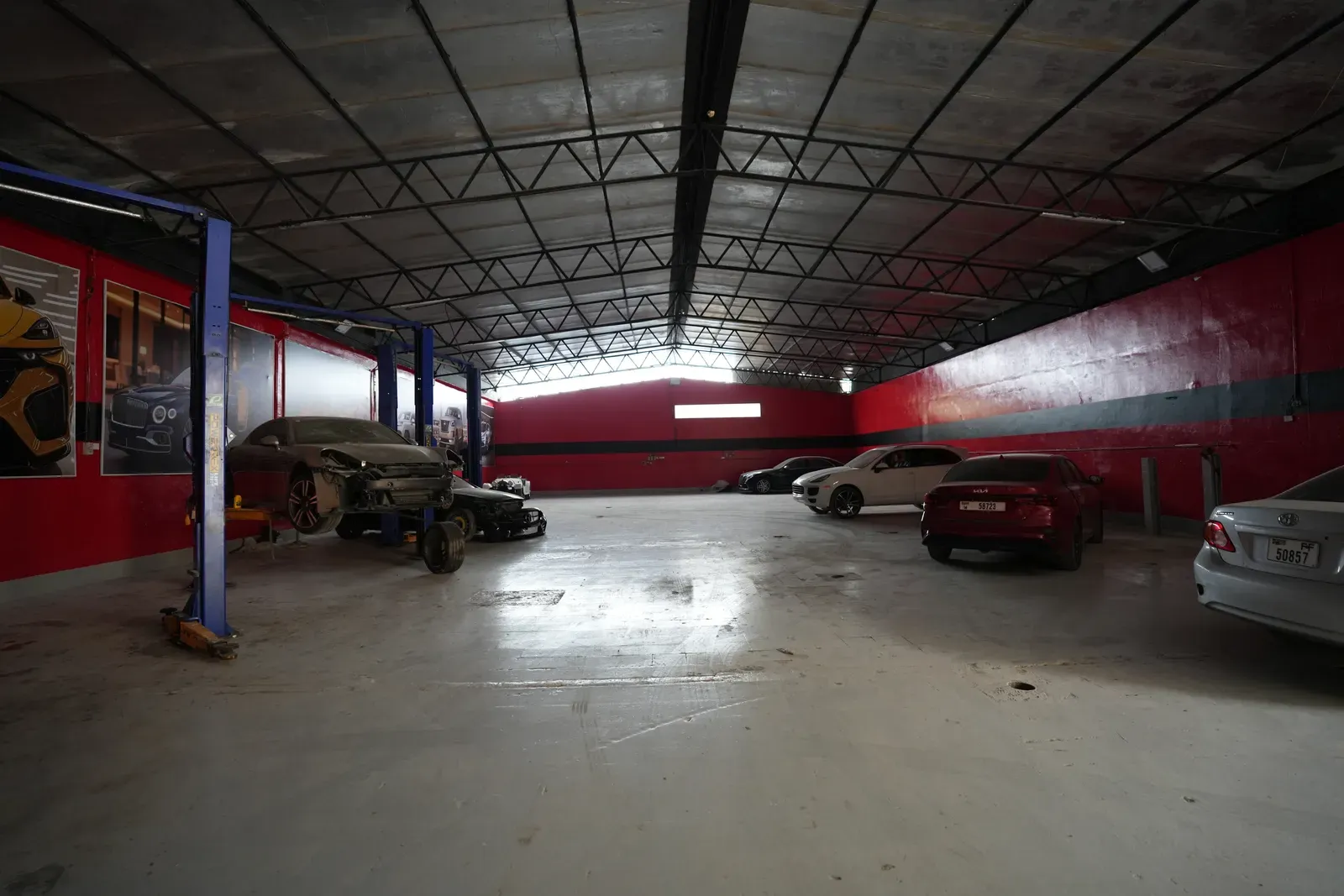
Paint protection film (PPF)
Paint protection film is a clear, slightly rubbery plastic sheet cut to the shape of a panel and stuck down onto it. Unlike a coating, it has real thickness, and that is the whole point: a stone thrown up on the motorway, a scuff from a door in a tight car park, or grit blasting the front of the car hits the film and stops there. The paint underneath is untouched, and when the film is eventually taken off the panel is the colour it was the day it was covered. It is the only paint protection that works by physically getting in the way — which is also why it is normally fitted to the parts of the car that actually take hits, rather than to all of it.
Start here
- 1Describe what the car is doing, in your words
- 2We investigate it and send you the findings and the price
- 3You approve each line before anything is done
1
Sounds like your car?
Find the line closest to what your car is doing. You do not need the name of the job — the symptom is carried into the booking form with it, and every line below starts at the same place: what we check, and how the work is done.
- 1 The front of the car is covered in stone chips
- 2 I just bought a new car and want to keep the paint perfect
- 3 Someone opened a door onto mine in the car park
- 4 The bonnet is getting sandblasted on the highway
- 5 The paint is scratched around the door handles
- 6 I drive to Abu Dhabi every day
- 7 I want to protect the resale value
- 8 I do not know whether I need film or a ceramic coating
2
What is included
- 2.1A conversation about coverage before any price: the front end only, the full front, the areas that get hit, or the whole car — each is a different job and a different figure
- 2.2The paint washed and decontaminated, because film bonds to the surface it finds and any grit left underneath shows through as a bump
- 2.3Machine polishing beforehand where it is needed, so the paint being preserved is the paint at its best rather than its current worst
- 2.4Existing chips and scratches pointed out first, because film goes over them and preserves them exactly as they are
- 2.5Film cut to the panel and fitted with the edges wrapped round where the panel allows it, so there is no visible line collecting dirt
- 2.6Door handle cups, the leading edge of the bonnet, mirror caps, the rear arch behind the front wheels and the boot loading edge quoted individually — these are the places cars actually get damaged
- 2.7Headlight units covered where you want them, which is separate from the bodywork
- 2.8The car left indoors to settle after fitting, out of dust and away from water
- 2.9A clear statement of what stays visible: film has edges, and on some panels an edge will be findable if you look for it
- 2.10Aftercare in writing, including what not to do at the edges
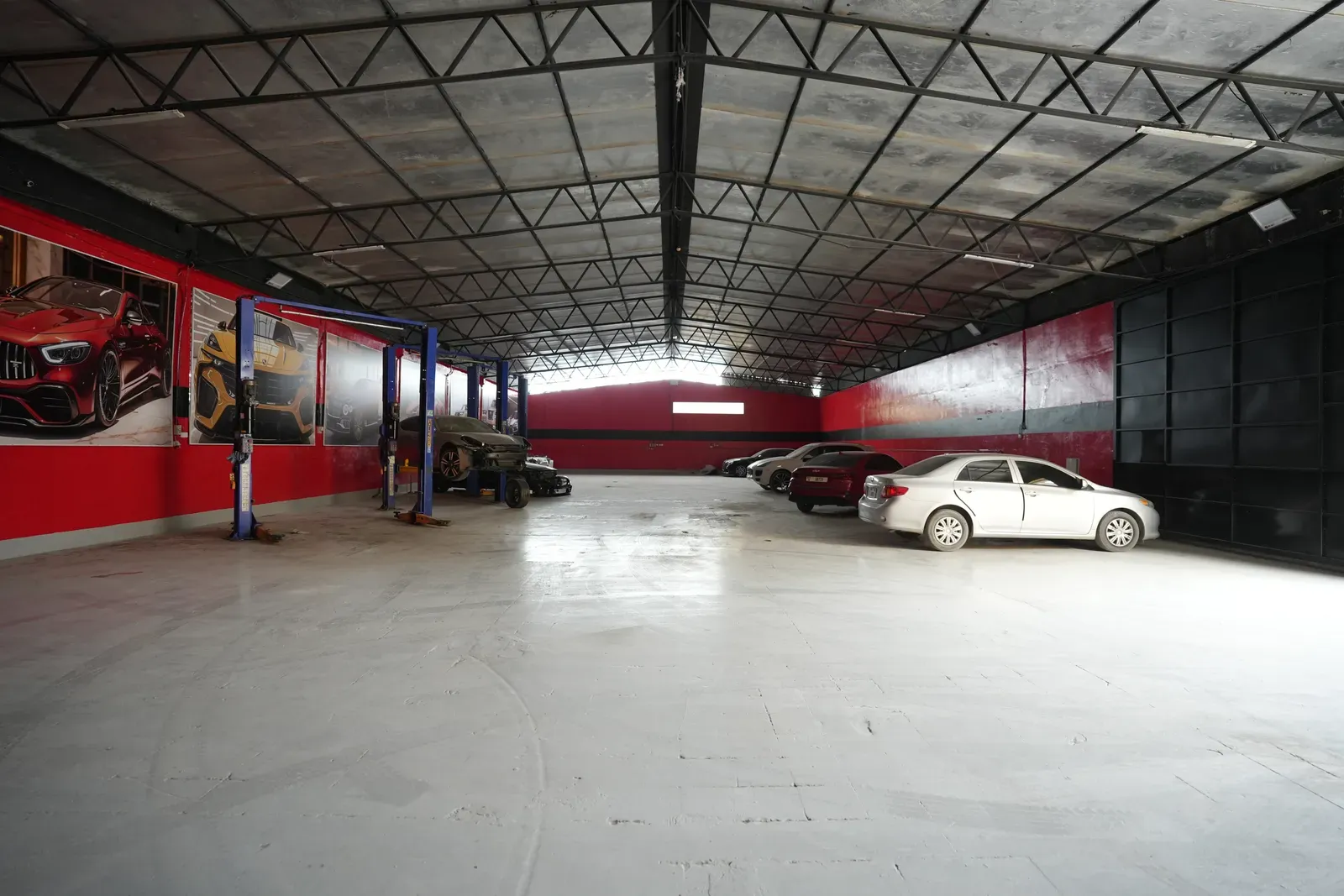
This work is done in this workshop, and nothing on your car is touched until you know what we found and what it costs.
3
What happens
-
3.1
Coverage is decided before price
Film on the whole car and film on the front are two very different bills, and for most people most of the value is at the front, on the door handle cups, and on the arch behind the front wheel, because that is where cars are actually damaged. We walk the car with you and ask what you want protected and why. A workshop that quotes a single figure without that conversation is quoting a package rather than your car.
-
3.2
Whatever is under the film is preserved with it
Film is transparent and it does not correct anything. A chip, a scratch, a bonded speck of tar or a dull, swirled panel all stay exactly as they are and are now under plastic. So the paint is washed, decontaminated and, where it needs it, polished before a sheet goes anywhere near it. We show you what we found first, and if something needs touching in, that is the moment.
-
3.3
Fitted wet, worked out, and wrapped at the edges
The film is floated onto the panel on a wet surface so it can be positioned, then the fluid is worked out from underneath and the film is pressed down. Where the shape of the panel allows, the edge is taken round it and out of sight, because a film edge stopping in the open face of a panel is the line that collects dirt and eventually lifts. Where a panel will not allow that, we tell you before we start that an edge will be visible there.
-
3.4
Settling time, and then how to live with it
After fitting, the car stays indoors and is not washed while the film settles onto the paint; a little haze or the odd trapped bubble in the first period is normal and clears as the remaining fluid leaves. We will tell you when to bring it back if anything has not settled. The aftercare that matters is simple: do not attack the edges with a pressure washer held close, and do not let an automatic brush wash pick at them.
4
Common questions
Film or ceramic coating — which should I get?
They solve different problems, and the question is what you are afraid of. If you are afraid of stone chips, car-park scuffs and the front of the car being sandblasted, you want film, because it has thickness and physically absorbs the hit. If you are afraid of water spots, bird mess, sun and the effort of washing, you want a ceramic coating, because it is a chemical layer that makes the surface slick and resistant but has no thickness to absorb anything. Neither one removes an existing scratch — that is polishing, and it belongs before either of them. Plenty of people have film on the front and a coating over everything, including over the film.
Will I be able to see the film?
The film itself is clear and on a panel it is fitted to properly you will not see it in normal light. What can be findable is an edge, on panels where the shape does not let the film be wrapped round out of sight. We will tell you before we start which panels on your car those are, rather than letting you discover it at handover. Anyone promising you a completely invisible result on every panel of every car is promising something the shape of the car decides, not the fitter.
Can film be removed later without damaging the paint?
That is the normal expectation of film fitted to sound, original paint, and it is one of the reasons people fit it to a new car. The important exception is paint that was already weak before the film went on — a panel that had been resprayed, or clear coat that was already lifting. Film removed from paint like that can take some of it with it. This is exactly why we inspect the paint and tell you what we find before fitting, and if a panel worries us we will say so rather than cover it and hope.
Do I have to do the whole car?
No, and for most cars it is not where the money is best spent. Damage on a car is concentrated: the leading edge of the bonnet and the bumper take stones, the door handle cups get fingernails and rings, the arch behind the front wheel gets grit thrown at it, and the boot loading edge gets scraped by whatever you put in it. Covering those is a fraction of a full car and stops most of what actually happens. We will quote the front, the high-wear areas and the full car separately so you can see the difference rather than being pushed to one answer.
Related services
Work that is often quoted alongside this, each with its own page.
- Ceramic coating A hard chemical layer on top of the paint — easier washing, not armour against stones.
- Car polishing Machine polishing to take the scratches and swirl marks out of the paint itself.
- Car detailing Deep cleaning inside and out — it removes what is on the car, not what is in the paint.
- Car painting and respray Panel paint and full respray, mixed to your paint code and baked, not air-dried in the sun.