

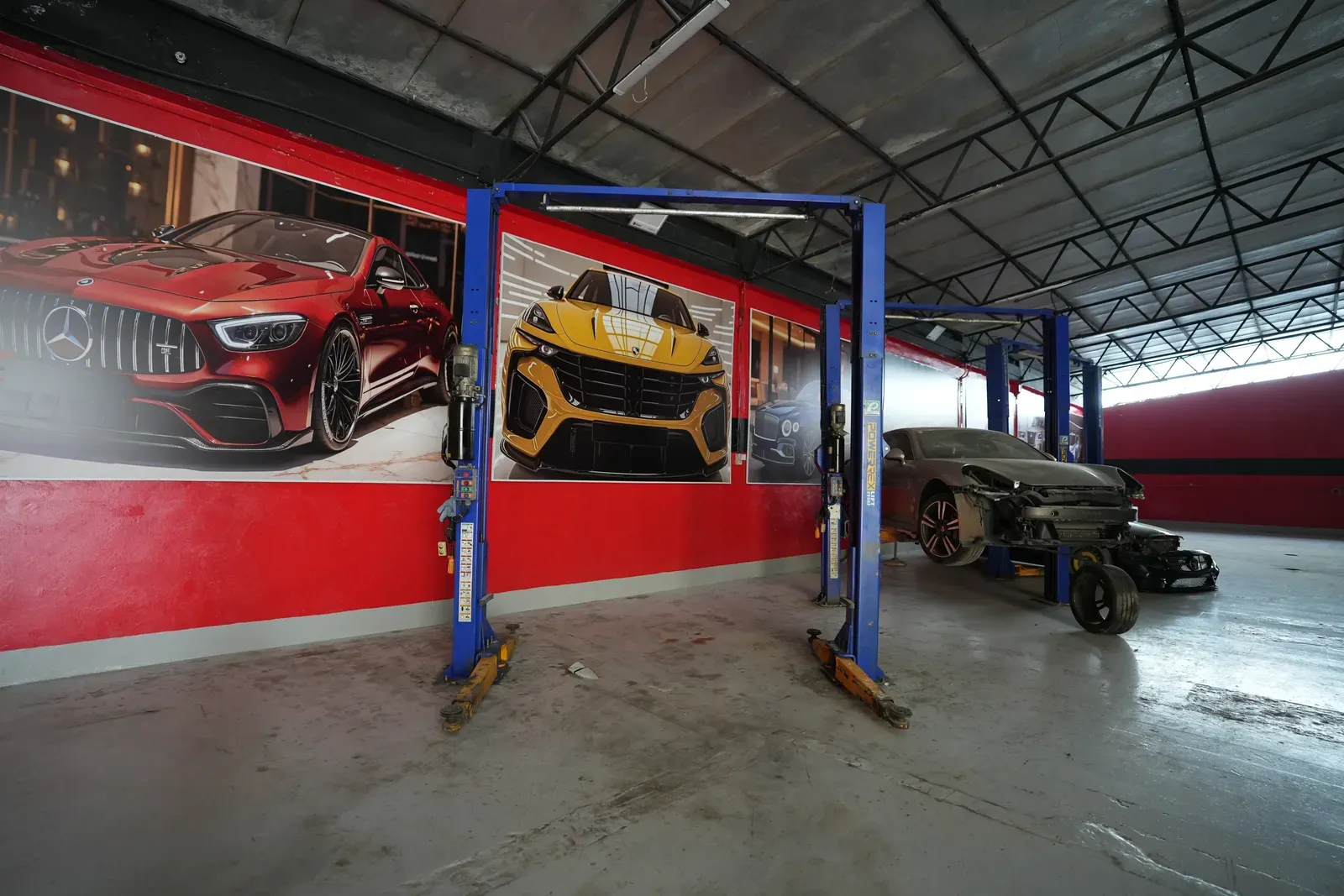
Engine repair
Engine repair at PetrolHeads in Industrial Area 5, Sharjah, starts with compression, leak-down and coolant gas tests and a mechanical oil-pressure reading before anything is opened. The work covers head gaskets, cylinder head repair, timing belts and chains, turbochargers, seals, and rebuild or replacement where the readings say a repair is not the cheaper road.
Engine work is the job customers are most often frightened into. The word overhaul gets used before anyone has measured anything, and a cylinder head is quoted for a fault that turns out to be a coil. We test the engine before we open it, and a compression and leak-down test will tell you which cylinder is weak and whether the leak is past the rings, past a valve or into the coolant — before you commit to any of it.
Start here
- 1Describe what the car is doing, in your words
- 2We investigate it and send you the findings and the price
- 3You approve each line before anything is done
1
Sounds like your car?
Find the line closest to what your car is doing. You do not need the name of the job — the symptom is carried into the booking form with it, and every line below starts at the same place: what we check, and how the work is done.
- 1 The engine is losing power going up a slope
- 2 White smoke comes out of the exhaust
- 3 Blue smoke when I start it in the morning
- 4 The coolant keeps going down and I cannot see a leak
- 5 It is using oil between services
- 6 There is a knocking noise from the engine
- 7 It overheated once and has not been right since
- 8 The engine shakes and one cylinder feels dead
2
What is included
- 2.1Compression test on every cylinder, so a weak one is identified before anything is taken apart
- 2.2Cylinder leak-down test to locate where a weak cylinder is losing its pressure
- 2.3Cooling system pressure test and a combustion gas test on the coolant, which is how a head gasket is proved rather than guessed
- 2.4Oil pressure measured with a mechanical gauge, not read from the dashboard lamp
- 2.5Timing belt, chain, tensioner and guide replacement, with the timing checked against the maker procedure before the engine is turned over
- 2.6Cylinder head removal, skim and valve work, with machining sent out and the report given to you
- 2.7Gasket and seal work: head, rocker cover, sump, front and rear main seals
- 2.8Turbocharger inspection for shaft play, with the oil feed and drain lines checked at the same time
- 2.9Engine replacement or rebuild where the measurements say a repair is not the cheaper road
Dealer quality, at a lower price
- Dealer-level diagnostic and coding tools
- Genuine or original-quality parts as standard (cheaper parts only if you ask)
- The maker's own repair steps, service schedules and torque settings
We are an independent workshop, not the dealer: the same standard, at a lower price.
Every cost, clear and upfront
- Every cost upfront, before any work
- The fault found before it is priced
- You approve every line
- Collection and return
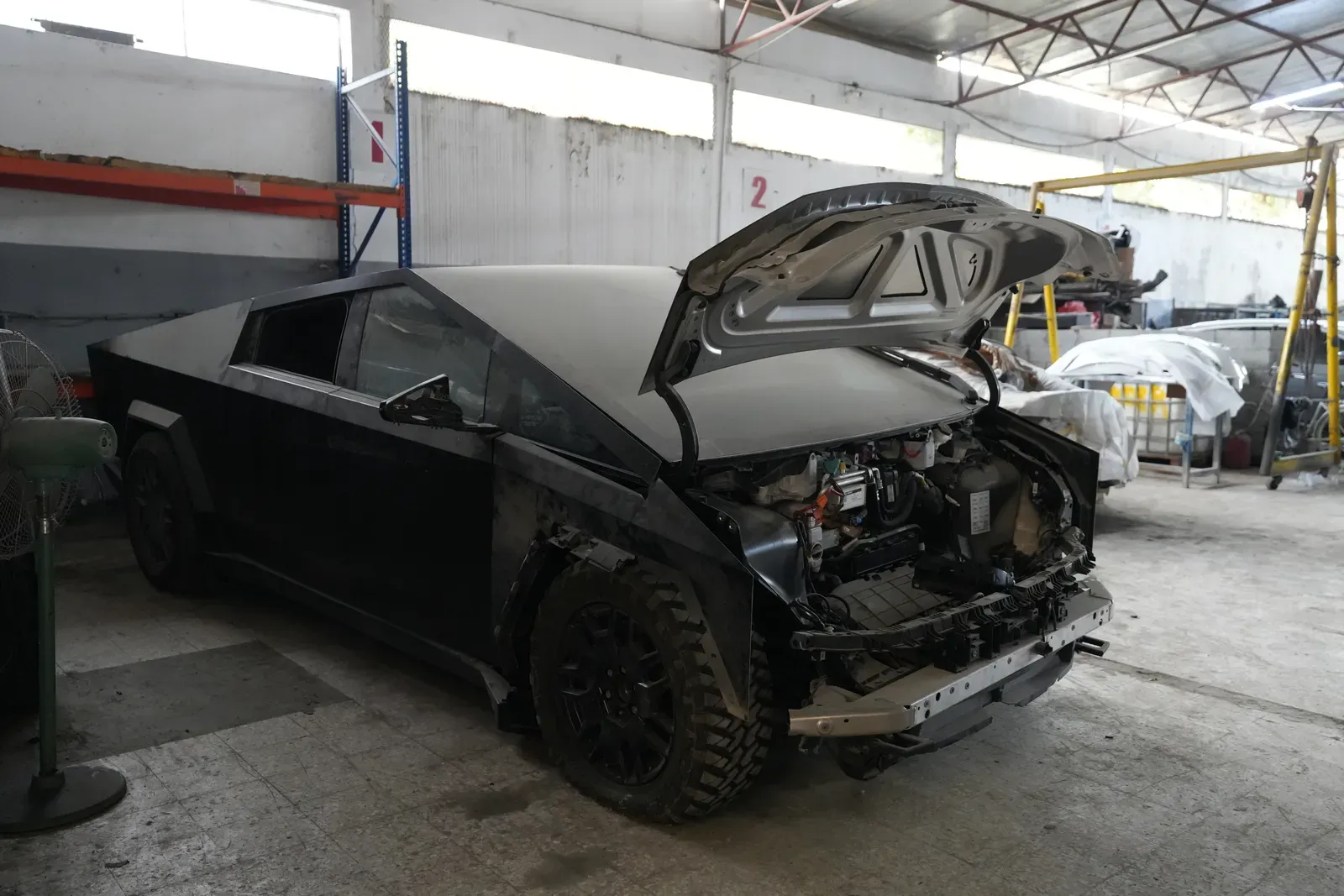
This work is done in this workshop, and nothing on your car is touched until you know what we found and what it costs.
3
What happens
-
3.1
The cheap tests come first
Compression, leak-down, a combustion gas test and an oil pressure reading cost a fraction of opening an engine and they answer most of the question. A misfire is checked against a coil and an injector before anyone says the word head.
-
3.2
You get a finding, not a verdict
The tests name the cylinder and they name what is wrong with it — a valve, a ring, a head gasket — and that is what you are told, together with what the repair costs. Which cylinder and why is a very different conversation from being told the engine is tired and needs opening.
-
3.3
Repair, rebuild or replace, priced against each other
Where more than one route is possible you get all of them with a price and a time against each, including the option of doing nothing for now. An engine that burns a little oil and is otherwise sound is sometimes best left alone, and we will say so.
-
3.4
Machining is documented
Head skimming, valve seat work and any external machining come back with a report, and that report is given to you with the invoice. Torque figures for the head are taken from the manufacturer procedure, and stretch bolts are replaced rather than reused.
4
Common questions
Do I need a full overhaul?
Nobody can answer that before the engine is tested, and anyone who answers it in the car park is selling. Compression and leak-down figures, oil pressure and a coolant gas test will usually settle it in under an hour of work, and often the answer is a smaller job than you were told.
How do you know it is the head gasket and not something else?
A chemical test on the coolant changes colour in the presence of combustion gas, a leak-down test will push air audibly into the cooling system or the neighbouring cylinder, and a pressure test shows whether the system holds at all. Those three together are evidence. A white exhaust on a humid Sharjah morning on its own is not.
Is a used engine a bad idea?
Not automatically, but it moves the risk rather than removing it. You are buying a component whose history you cannot see. If you go that route we will test the unit before it goes in, tell you what we could and could not verify about it, and put both of those in writing. What we will not do is fit an unknown engine and let you assume it was checked.
How long will the car be with you?
It depends on the job and, more often, on parts. Engine work waits on machining and on components that may not be in the country. We will give you a date when the parts position is known rather than a comfortable number on day one, and we will tell you when it slips instead of waiting for you to call.
How much does it cost to fix one cylinder?
It depends on why the cylinder is weak, and nobody can say honestly before the leak-down test. Air escaping past a valve is head work; past the rings or into the coolant is a different job at a different price; and a cylinder that only misfires is often a coil or an injector, which is the cheapest answer of all. You get the reading for each cylinder, the cause, and a price for that cause — not a figure for “a cylinder”.
These complaints, explained
What each one usually means, whether it is safe to keep driving, and how we tell the possibilities apart.
Related services
Work that is often quoted alongside this, each with its own page.
- Car diagnostics Scan, live data and testing until the fault is proved — not a code read off a screen.
- Car repair General mechanical repair — cooling, belts, leaks, exhaust, the work that keeps a car usable.
- Car servicing Oil change, filters and fluids to the maker’s schedule, plus an inspection that tells you what is coming — minor and major service on their own pages.
- Gearbox and transmission repair Automatic gearbox and transmission repair — diagnosed from outside, then rebuild, used or new priced side by side.
Further reading
What we have written about this subject, with the sources we read.
- Oil grade and oil interval are two decisions, and topping up is neither The number on the bottle and the number in the service book answer different questions. Neither of them answers the third one, which is why an engine is using oil at all. Here is what each is actually measuring.
- A diagnostic scan is where the work starts, not where it ends A fault code names a circuit or a failed test. It does not name a part. Everything that goes wrong between “the scanner said P0420” and a bill for a catalytic converter lives in that one sentence.