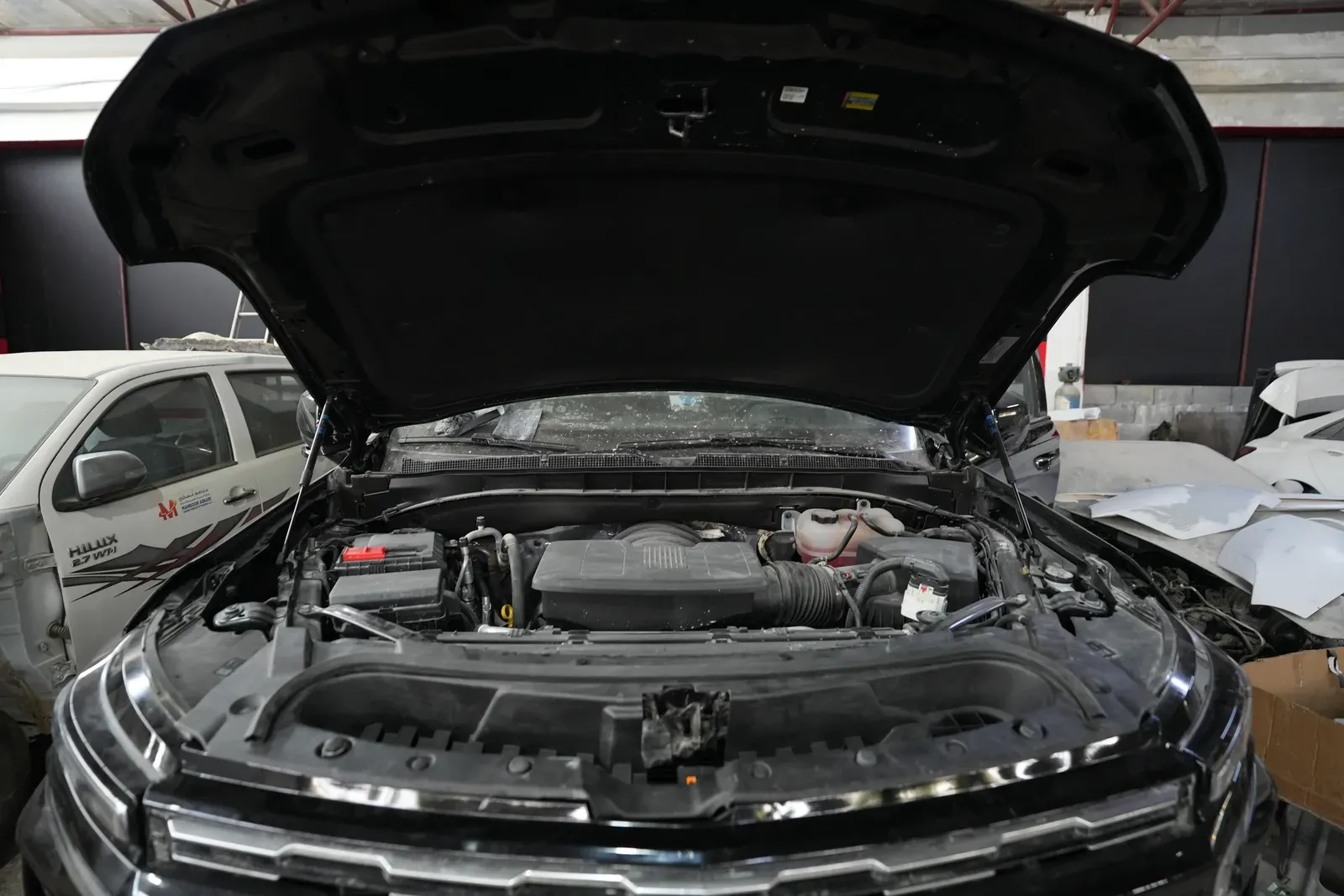
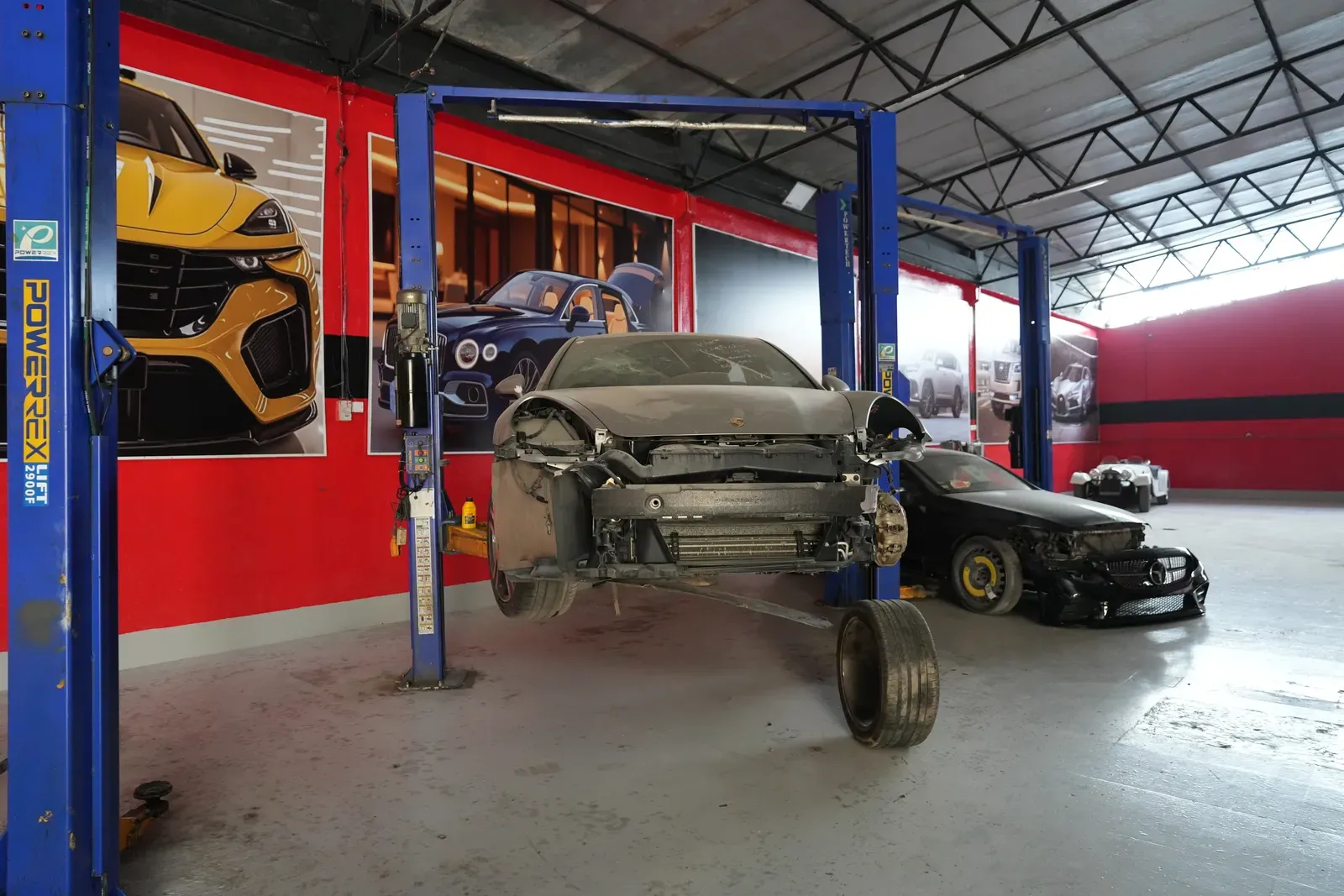
It has never broken down. Is there anything worth doing?
Servicing, on time, to the severe-use column rather than the long one, and that is the whole answer. Short trips in traffic with the air conditioning at full load is the manufacturer’s own definition of severe use, and it is what almost every car on this page does every day. Oil and filter early, air and cabin filters early because of dust, coolant and brake fluid on the calendar rather than on the odometer, gearbox fluid looked at rather than assumed to be sealed for life. Done on that footing, most of these cars never reach the repair pages of this site.
My Camry uses oil. Is that normal or is the engine finished?
Neither answer should be given over a counter. Some oil use is within what any engine does; a 2AR-FE that empties itself between services is not that, and the difference is a measurement, not an opinion. We set a level, agree a distance, and read it again, and alongside that we check the breather and the PCV valve — because a blocked breather pushes oil past rings that are otherwise fine and is far cheaper to correct. Compression and leak-down results tell us whether we are looking at rings, at valve stem seals, or at neither. Only then is it worth discussing what to do about it.
Does my Hilux have a DPF, and do I need to worry about it here?
That depends on the specification your truck was built to and the market it came through, and it is not something to answer from the model name. A locally supplied 1GD-FTV, a used import and a re-exported truck can carry three different exhaust arrangements, so the first thing we do is look at what is actually on the vehicle and what the engine module reports. Where a filter is fitted, the thing that causes trouble in this country is duty rather than climate: a regeneration cycle needs a sustained run at road speed to finish, and a truck that does short urban trips all week never completes one, so the filter loads up and the warnings start. That is a driving pattern problem with a real answer, and it is worth understanding before anyone suggests removing anything.
Is the CVT in a Corolla or RAV4 something to be afraid of?
Not in itself. What gets these units into trouble is being serviced as though they were ordinary automatics, or not serviced at all because somebody read the word sealed. They take a CVT fluid of their own, they are filled inside a temperature window rather than to a mark on a dipstick, and their condition shows in how the car takes up from a standstill long before a code is stored. A gentle shudder pulling away is the early warning and it is worth acting on. We will also tell you when a unit is past the point where a fluid change is going to help, because selling one at that stage is selling a service that changes nothing.
Do I need to go to the agency, or can you do the work?
If the car is still inside its factory warranty, go to the agency and we will say so rather than take the booking, because anything that might be a claim belongs there. Outside that, the question worth asking is not who has which badge on the wall but whether the specific job on your car needs a module programmed against a system only the franchise can reach. Some do. Where that is the case we name it in advance rather than discovering it with your car in pieces. We are not approved, authorised or appointed by Toyota, and we are not going to be vague about that to win a service booking.