
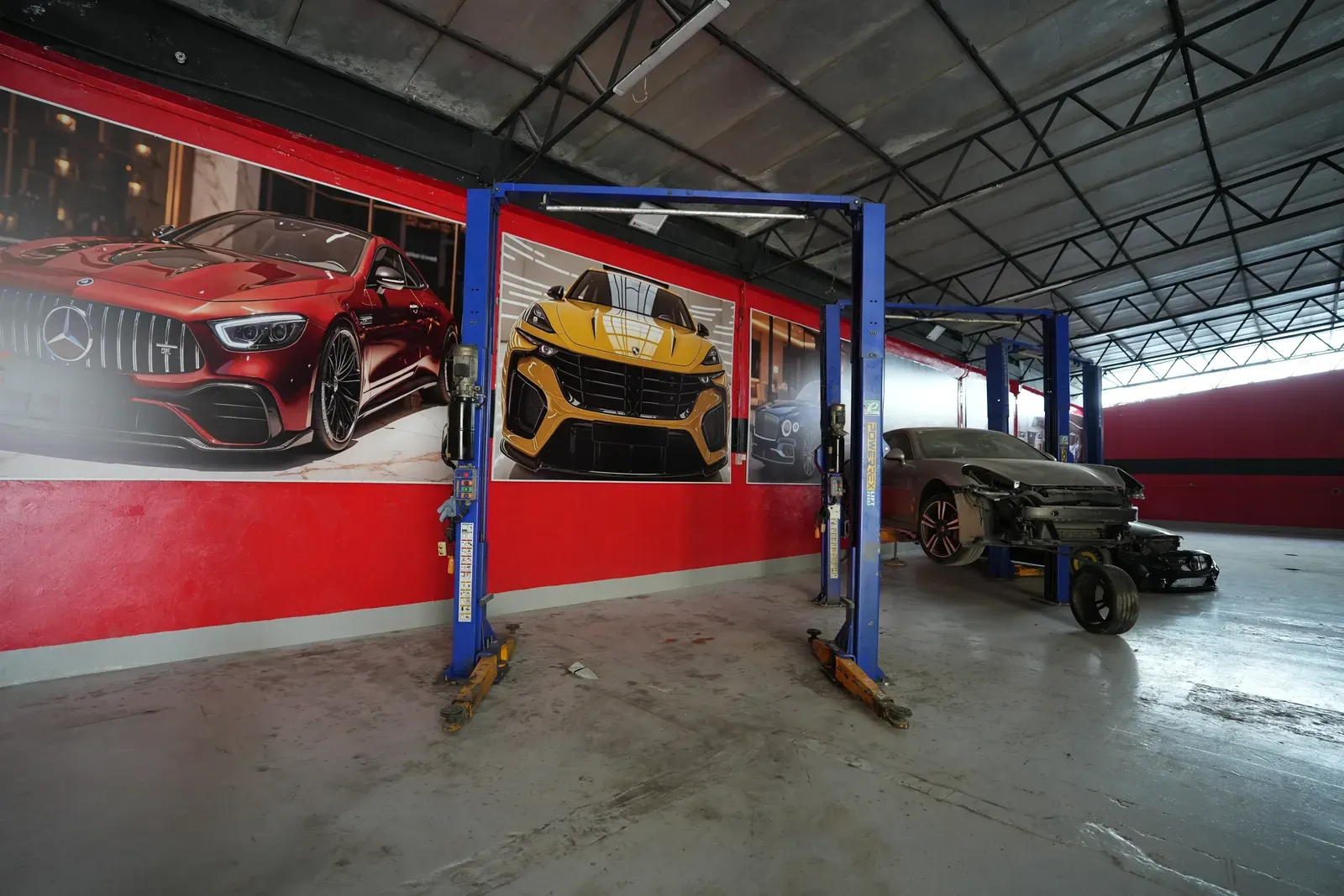
Car diagnostics
A fault code names a circuit, not a part. P0420 does not mean you need a catalytic converter, and the difference between knowing that and not knowing it is the difference between a sensor and an exhaust system. Reading the codes takes five minutes and almost anyone can do it. Proving which component is actually at fault is the job, and it is the one we charge for.
Start here
- 1Describe what the car is doing, in your words
- 2We investigate it and send you the findings and the price
- 3You approve each line before anything is done
1
Sounds like your car?
Find the line closest to what your car is doing. You do not need the name of the job — the symptom is carried into the booking form with it, and every line below starts at the same place: what we check, and how the work is done.
- 1 The check engine light is on
- 2 The ABS or airbag light is on
- 3 It goes into limp mode and will not go over a certain speed
- 4 It jerks or hesitates when I accelerate
- 5 It will not start sometimes and starts fine other times
- 6 A shop changed a part and the light came back
- 7 It fails to start but the battery is new
- 8 The dashboard lights all come on at once
2
What is included
- 2.1Full scan of every module the car has, not only the engine, with the complete code list given to you
- 2.2Freeze-frame data read for each stored code, so we can see the conditions the fault occurred under
- 2.3Live data recorded on a road test while the fault is happening
- 2.4Component testing on the bench or in place: resistance, voltage drop, signal pattern
- 2.5Physical checks the scan tool cannot do — wiring, connectors, vacuum leaks, mechanical condition
- 2.6Written summary naming the failed component and the evidence for it
- 2.7The full code list and the data given to you, whether or not you have the repair done here
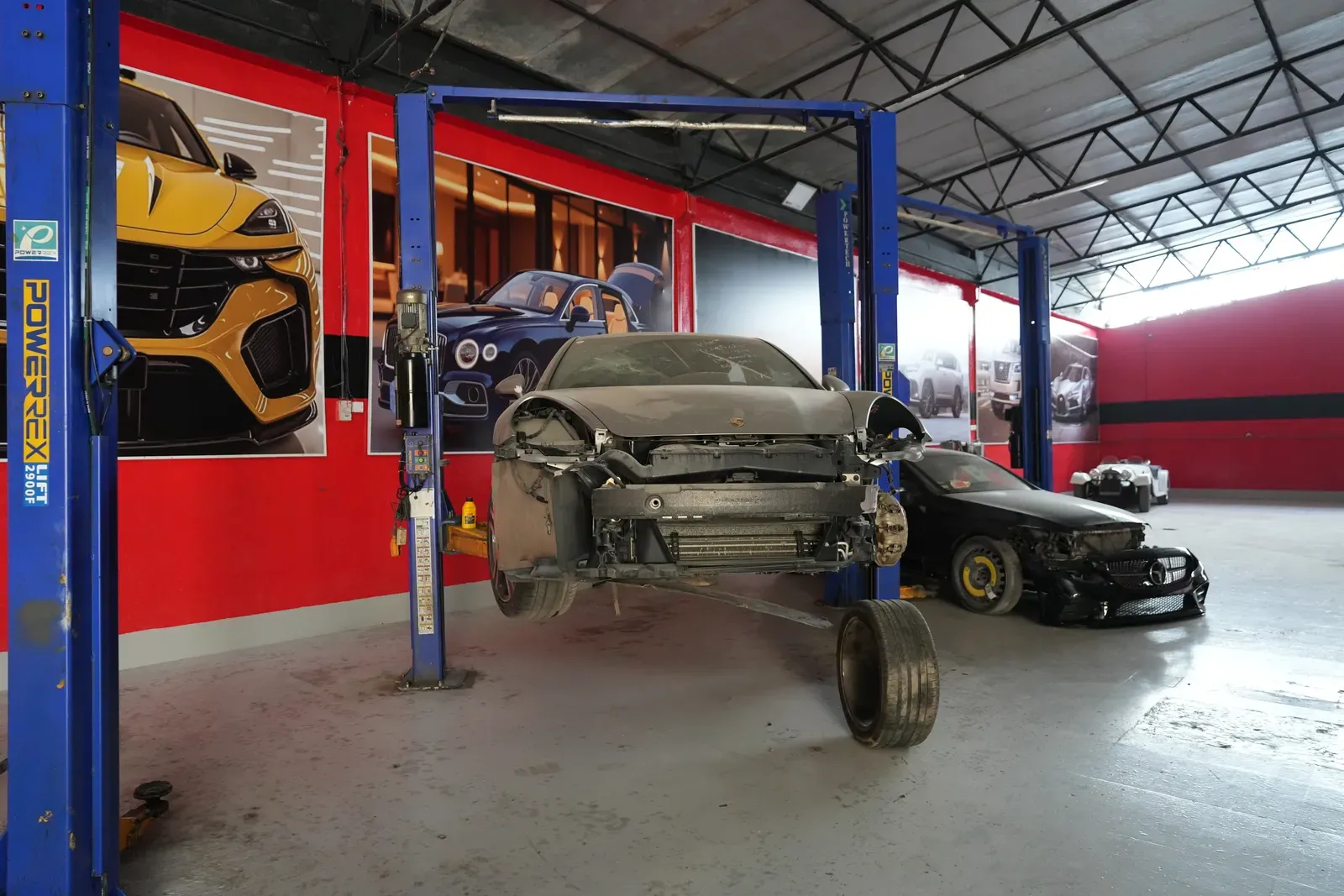
This work is done in this workshop, and nothing on your car is touched until you know what we found and what it costs.
3
What happens
-
3.1
Every module, not just the engine
A cheap scan reads the engine module and stops. Faults in the body module, the ABS or a gateway will cause engine symptoms and will not appear on that scan. We read all of them and you get the whole list, including the codes we are going to tell you to ignore.
-
3.2
We make the fault happen while we watch it
Stored codes tell you what happened once. Live data tells you what is happening now. We record sensor values on a road test and look at what the numbers do at the moment the symptom appears, because that is where an intermittent fault gives itself away.
-
3.3
The component is tested, not assumed
Before a part is quoted it is tested — a voltage drop across the circuit, a resistance reading against specification, a waveform compared to a known good one. A sensor reporting a bad value is often reporting it correctly, and the fault is the wiring or the thing being measured.
-
3.4
You own the result
You get the codes, the data and a written conclusion, and you are free to have the repair done anywhere you like. We would rather be the workshop that told you the truth than the one that held the information hostage.
4
Common questions
Is the diagnostic fee taken off the repair?
That is the intention, and the rule will be printed on the price list with the figure next to it rather than promised here. Ask us for the current rule when you book and we will tell you the exact number and exactly what it covers before you leave the car.
Why does a cheap scan so often lead to the wrong part?
Because the tool names the circuit and the shop names a part. A code for a lean mixture can be a vacuum leak, a fuel pressure problem, an exhaust leak before the sensor, or the sensor itself. Replacing the sensor clears the light for a week. The cost of the wrong part is usually more than the cost of diagnosing it properly once.
The light is on. Can I keep driving?
A steady engine light usually means drive carefully and get it looked at. A flashing engine light generally means stop, because a misfire that is pushing unburnt fuel into the exhaust can destroy the catalytic converter in a short distance. A red oil pressure or temperature warning means pull over now. Phone us and describe the light and we will tell you which one you have.
Do you do module coding, key programming and immobiliser work?
It depends entirely on the make, and some manufacturers require a subscription to their own online system for a car to accept a coded module or a new key. Tell us the make, model and year before you book, and we will tell you whether we can do yours rather than find out with your car in pieces.
Related services
Work that is often quoted alongside this, each with its own page.
- Car repair General mechanical repair — cooling, belts, leaks, exhaust, the work that keeps a car usable.
- Car electrical repair Alternator, starter, wiring, earths and battery drain — traced with a meter.
- Engine repair Compression and leak-down testing first, then head, gasket, timing or overhaul work.
- Automatic gearbox repair Gearbox diagnosis, rebuild, replacement — and the three prices next to each other.