
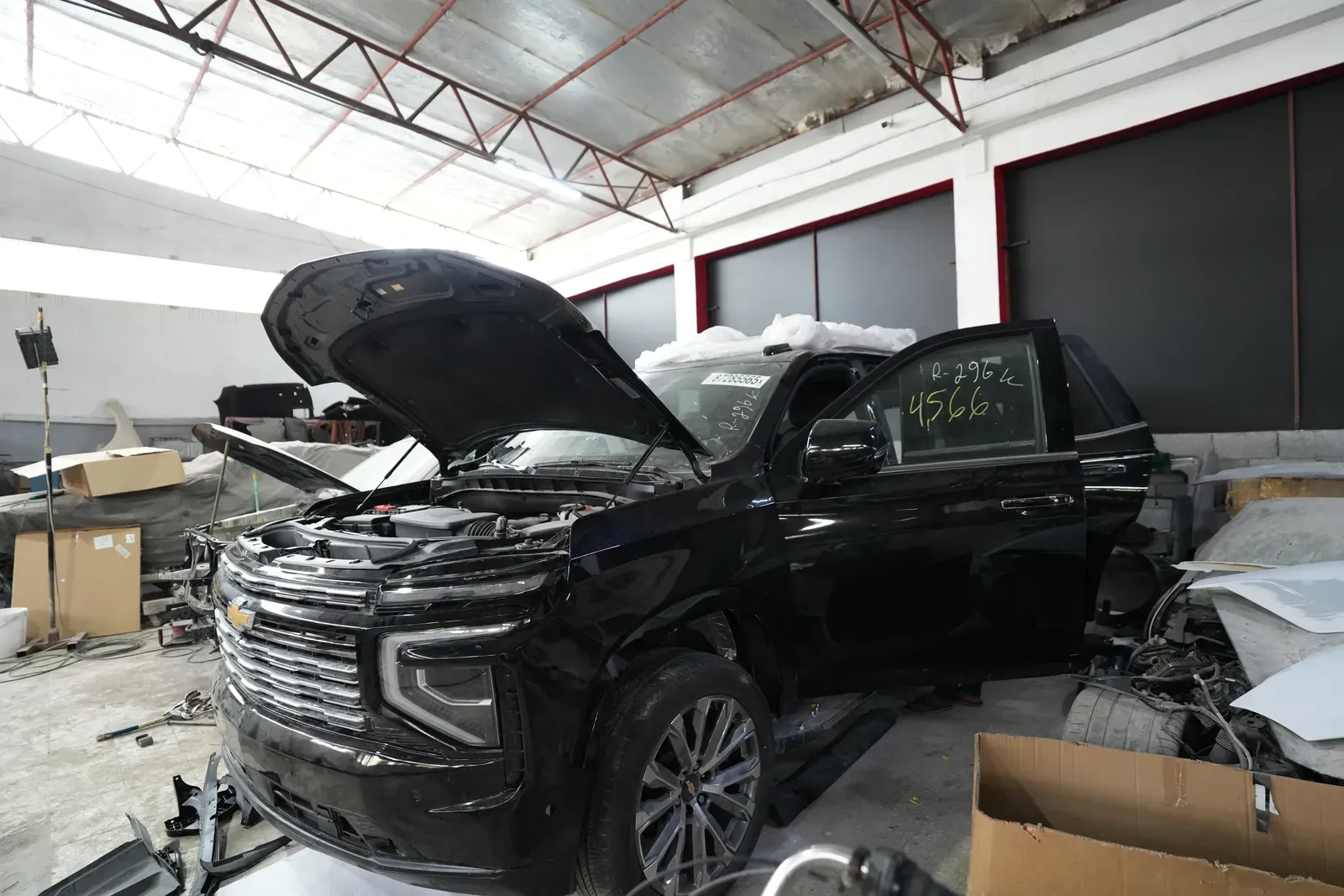
Car painting and respray
Paint is judged from two metres away in daylight, and that is where a bad job shows: a door that is half a shade off, orange peel that the next panel does not have, overspray on a rubber seal. Colour is not guessed here. It starts from the paint code on your car, and where the car has faded in the sun — which every car in this country does — the mix is adjusted and sprayed onto a test card first, against your panel, before anything is put on the car.
Start here
- 1Describe what the car is doing, in your words
- 2We investigate it and send you the findings and the price
- 3You approve each line before anything is done
1
Sounds like your car?
Find the line closest to what your car is doing. You do not need the name of the job — the symptom is carried into the booking form with it, and every line below starts at the same place: what we check, and how the work is done.
- 1 The clear coat is peeling off the roof and the bonnet
- 2 There is a scratch down the side of the car
- 3 The paint has faded and gone dull
- 4 A panel was painted before and it does not match
- 5 There are rust bubbles at the bottom of the door
- 6 I want the whole car resprayed
- 7 The bumper is scuffed from parking
- 8 Bird droppings have marked the paint
2
What is included
- 2.1Paint code read from the vehicle plate and recorded against your car for any future work
- 2.2Colour mixed and sprayed on a test card, then compared against your panel in daylight before the car is touched
- 2.3Existing paint checked for areas that have already been repainted, so they are known about before they are sanded
- 2.4Preparation: stripping, filling where needed, sanding through the grades, and priming
- 2.5Masking of glass, seals, trim and wheel arches, and removal of parts that should come off rather than be taped around
- 2.6Base coat and clear coat applied in a booth and baked, not left to dry in workshop air
- 2.7Blending into adjacent panels where a hard edge would show
- 2.8Wet sanding and machine polishing of the finished panel
- 2.9The finished panel checked outside in daylight, from two metres and at an angle, before you are called to collect the car
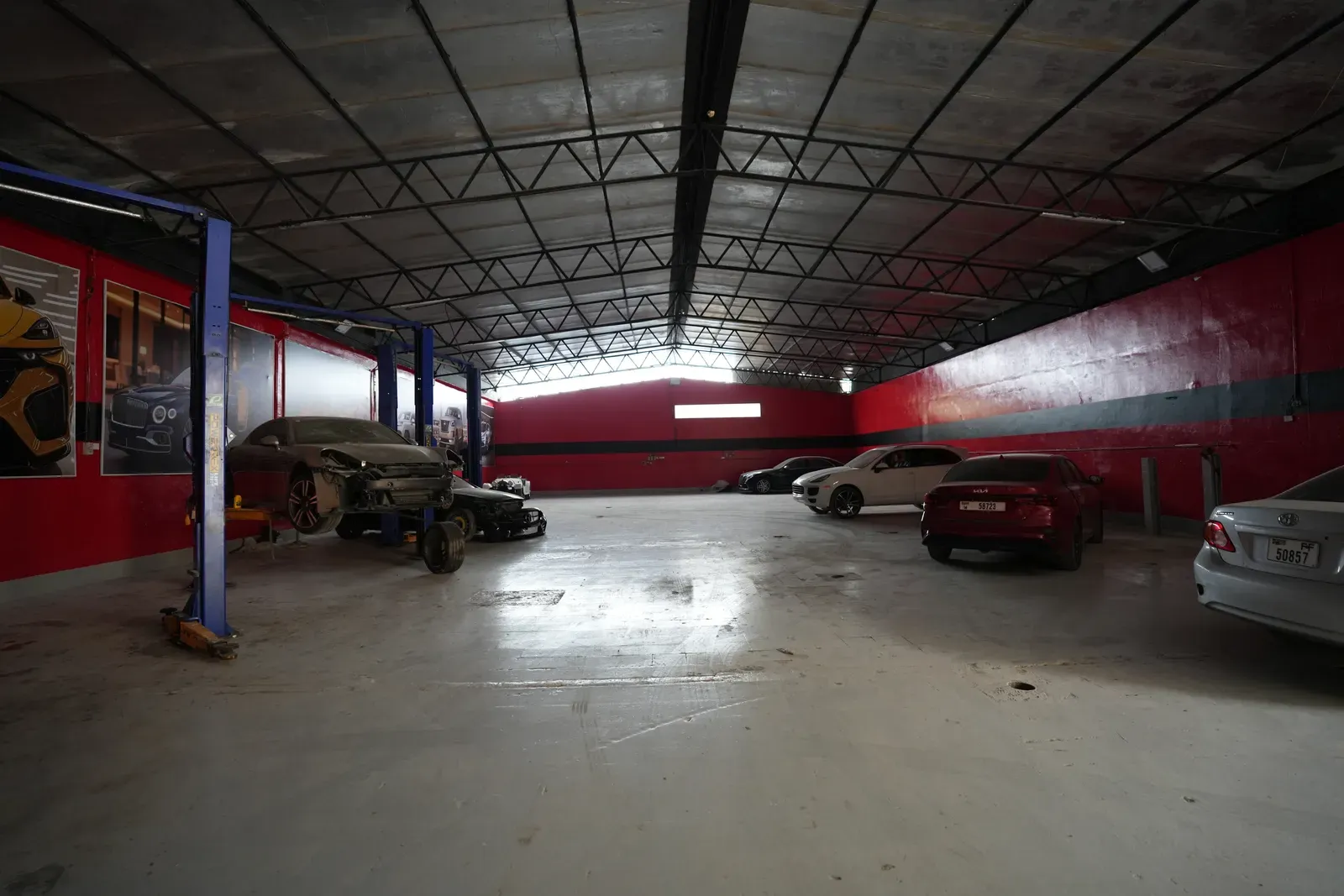
This work is done in this workshop, and nothing on your car is touched until you know what we found and what it costs.
3
What happens
-
3.1
The code, then the card, then the car
The paint code is where the mix starts, not where it ends. Sun fade means a ten-year-old car is no longer the colour its code describes, so the mix is adjusted and sprayed on a card that is held against your panel in daylight. If it is not right on the card, it does not go on the car.
-
3.2
Preparation is most of the job
Nearly every paint failure you have seen — peeling, a bubble under the clear, a visible edge — comes from preparation, not from the spraying. That is where the hours go, and because it is the part a customer never sees, it is the first thing cut in a cheap respray. Parts that should be removed are removed rather than masked around.
-
3.3
Sprayed in a booth and baked
A booth exists to keep dust out of wet paint and to cure the finish at a controlled temperature. Paint left to dry in open workshop air in this climate collects grit and cures unevenly, and both of those are permanent. Ask any workshop to show you their booth with a car in it and the bake cycle running.
-
3.4
Checked in daylight before you are called
Workshop lighting hides colour mismatch and flattens texture. The finished panel is taken outside and looked at in daylight from two metres and from an angle, which is how you will look at it, and it is not called finished until it passes that.
4
Common questions
Can you match my colour exactly?
Close enough that you will not see it from two metres, which is the honest standard. An exact match to a faded panel is not possible in the strict sense, because the old paint is still fading. Metallics and pearls are the hardest, silver in particular, which is why blending into the adjacent panel is often the right answer rather than a hard edge at the door shut.
Why does clear coat peel on so many cars here?
Ultraviolet light and heat. Horizontal surfaces take the most of both, which is why it almost always starts on the roof, the bonnet and the boot lid rather than the doors. Once the clear has failed, polishing will not bring it back. The panel has to be taken back and refinished, and a car parked in the shade or under a cover buys years.
Will a respray be detectable when I sell the car?
Yes, to anyone with a paint gauge, and that is most serious buyers and every competent inspection. Factory paint and refinished paint read differently in thickness. We will not pretend otherwise. What we will do is give you an invoice describing exactly which panels were painted and why, which is far better to hand a buyer than a denial they can disprove in ten seconds.
Should I paint the car or wrap it?
They solve different problems. A wrap covers sound paint and can be removed; it does not repair failing clear coat, and it will not sit properly over peeling or rust. If your paint has failed, wrapping it hides the problem while it continues underneath. Ask us whether wrapping is something this workshop does before you plan around it, rather than assuming from this page.
Related services
Work that is often quoted alongside this, each with its own page.
- Accident and body repair Dents, panels and accident repair — insurance claim or your own cost, explained in order.
- Pre-purchase inspection Before you hand over the money, have the car put on a lift and looked at properly by someone who is not selling it to you.
- Pick up and drop off We collect your car, record its condition with you there, and bring it back.
- Car servicing Oil, filters and fluids, plus an inspection that tells you what is coming.