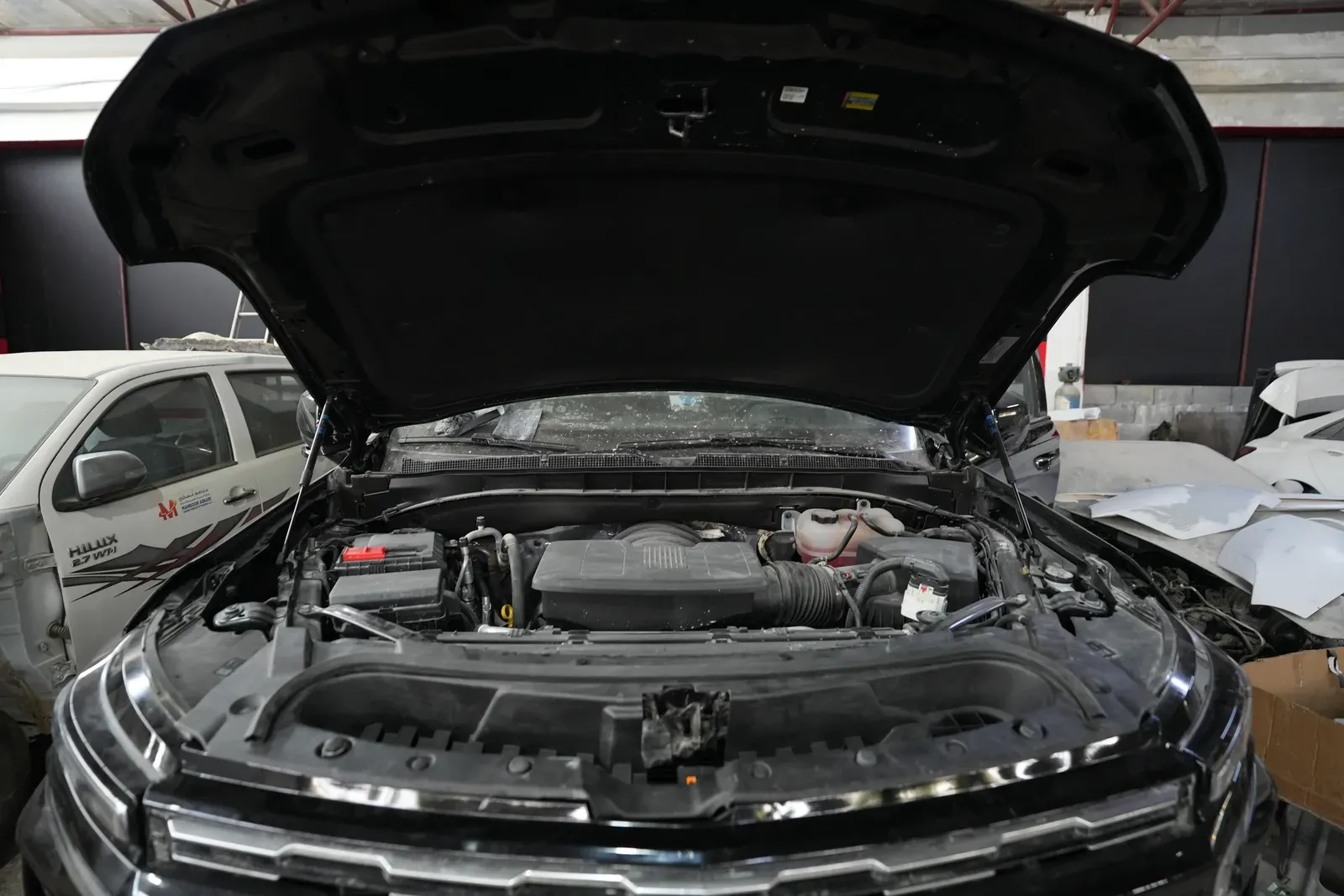
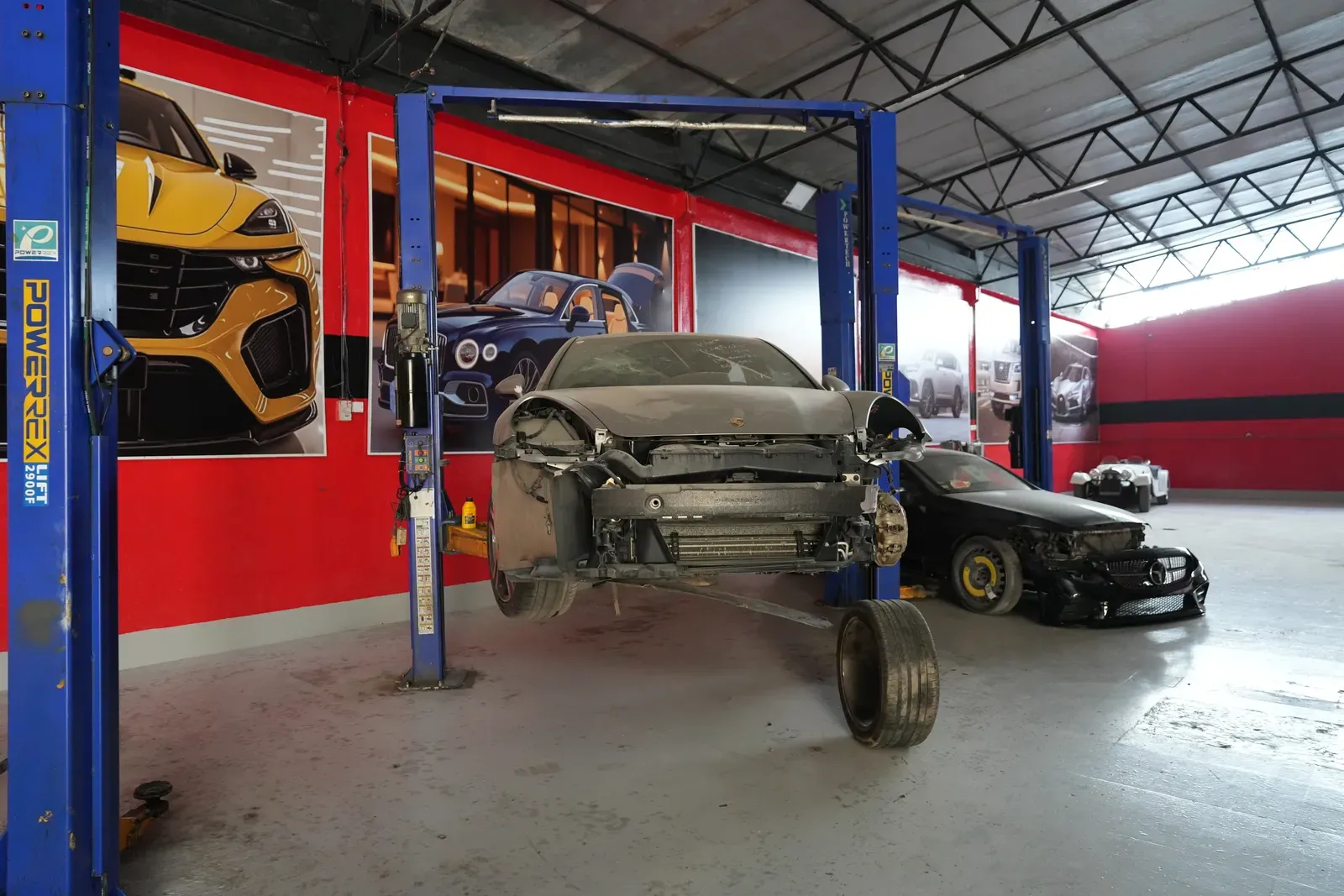
There is a tick and a shake at idle on my Tahoe. Is that the AFM lifter everybody talks about?
It might well be, and it is worth finding out properly rather than changing coils and plugs first, which is what usually happens. The test that separates them is a per-cylinder misfire count combined with commanding the deactivation solenoid on that bank: a cylinder that only misfires around the deactivate and re-activate command is the mechanism, while one that misfires all the time regardless is an ignition or an injector. If the lobe behind the lifter has already been wiped, compression on that cylinder will say so. We do those before we quote, because the two outcomes are a set of plugs and a cylinder head off.
People fit a device that disables AFM. Does that fix it?
No, and it is important to be straight about what it does and does not do. A device that keeps the engine out of cylinder deactivation stops the mechanism being cycled; it does not restore a lifter that has already collapsed or a camshaft lobe that has already been worn flat. If the damage has happened, the repair is mechanical regardless of what is plugged into the car. It is also a change to how the engine was built to run, so it is a decision for the owner to make knowingly rather than something we will quietly add to an invoice. What we will do is tell you the condition of the engine you actually have.
My Silverado vibrates lightly at about 70 km/h. Is it the wheels or the gearbox?
The way to tell without spending anything is what happens when you press the throttle. A wheel or tyre vibration is tied to road speed and does not care what your right foot is doing. A converter clutch shudder disappears the instant you accelerate hard, because the clutch unlocks, and comes back on a light throttle at a steady speed. If it behaves like the second one we read converter slip and transmission fluid temperature live rather than balancing four wheels. Very often the fluid is the fault and the converter is only the messenger, which is a far smaller bill if it is caught at that stage.
Is a Tahoe the same as a Yukon and an Escalade?
Underneath, largely yes, and we would rather say that than pretend each is a secret. They share the platform, the engine family and a great deal of the running gear, which is genuinely good news for you: the diagnosis of a lifter fault or a converter shudder is the same work whichever badge is on the grille, and parts are not exotic. Where they separate is in what was fitted on top. The Denali and the Escalade carry suspension and interior electronics that a base Tahoe does not, and those systems have their own faults and their own tests. We keep those on the GMC and Cadillac pages rather than repeating them here.
The air conditioning stopped being cold. Can you just top up the gas?
We can, but on a vehicle with this much cabin to cool it is usually the wrong answer and it hides the real one for a few weeks. Refrigerant does not get used up; if the level is low it went somewhere, and that somewhere will still be there after a top-up. Equally common on these trucks is a system with a perfectly normal charge that cannot reject heat, because dust has packed the gap between the condenser and the radiator behind it, or the condenser fan is not being commanded. Pressures on both sides and a vent temperature tell those apart in a few minutes, and the answer decides whether this is a cleaning job, an electrical one or a leak.