
Ceramic coating
A ceramic coating is a liquid that is wiped onto clean paint and then hardens, over the following hours, into a very thin glass-like layer bonded on top of it. What that layer buys you is chemical and everyday resistance: water beads and runs off instead of drying into spots, dust and road film sit on the surface rather than gripping it, and bird mess, sap and hard water have to get through the coating before they reach your paint. What it does not buy you is protection from impact. It will not stop a stone chip and it will not stop a key. It is a sacrificial layer — it takes the abuse instead of the paint and, like anything sacrificial, it wears down and is eventually renewed.
Start here
- 1Describe what the car is doing, in your words
- 2We investigate it and send you the findings and the price
- 3You approve each line before anything is done
1
Sounds like your car?
Find the line closest to what your car is doing. You do not need the name of the job — the symptom is carried into the booking form with it, and every line below starts at the same place: what we check, and how the work is done.
- 1 I want it to stay clean longer
- 2 Water spots dry onto the paint every time
- 3 The car is parked outside and the sun is killing it
- 4 Bird mess left a mark I could not wash off
- 5 Washing it every week is ruining the paint
- 6 It is a new car and I want to keep it that way
- 7 I want the shine to last
- 8 Someone quoted me for a coating and I do not know what it is
2
What is included
- 2.1The paint washed and decontaminated first, because a coating seals the surface it is put onto — including any dirt left on it
- 2.2A machine polish beforehand where the paint needs it, so scratches are removed rather than locked under a clear layer for years
- 2.3Panels inspected under a focused light before the coating goes on, so you see the state of the paint you are about to seal
- 2.4Panel wipe-down to strip off every polishing oil, since a coating will not bond through residue
- 2.5Coating applied panel by panel by hand and levelled off before it flashes, which is the step that decides whether the finish is even or streaked
- 2.6Glass, wheels and painted trim coated where you want them, priced as separate items rather than assumed
- 2.7The car kept undisturbed indoors while the coating hardens, out of dust and away from water
- 2.8A plain explanation of what you must not do to the car in the first days, and why
- 2.9Aftercare in writing: how to wash it so the coating survives, and what strips it
- 2.10Anything the coating will not fix — a chip, a scratch through the colour, a dull panel — pointed out beforehand rather than discovered underneath it afterwards
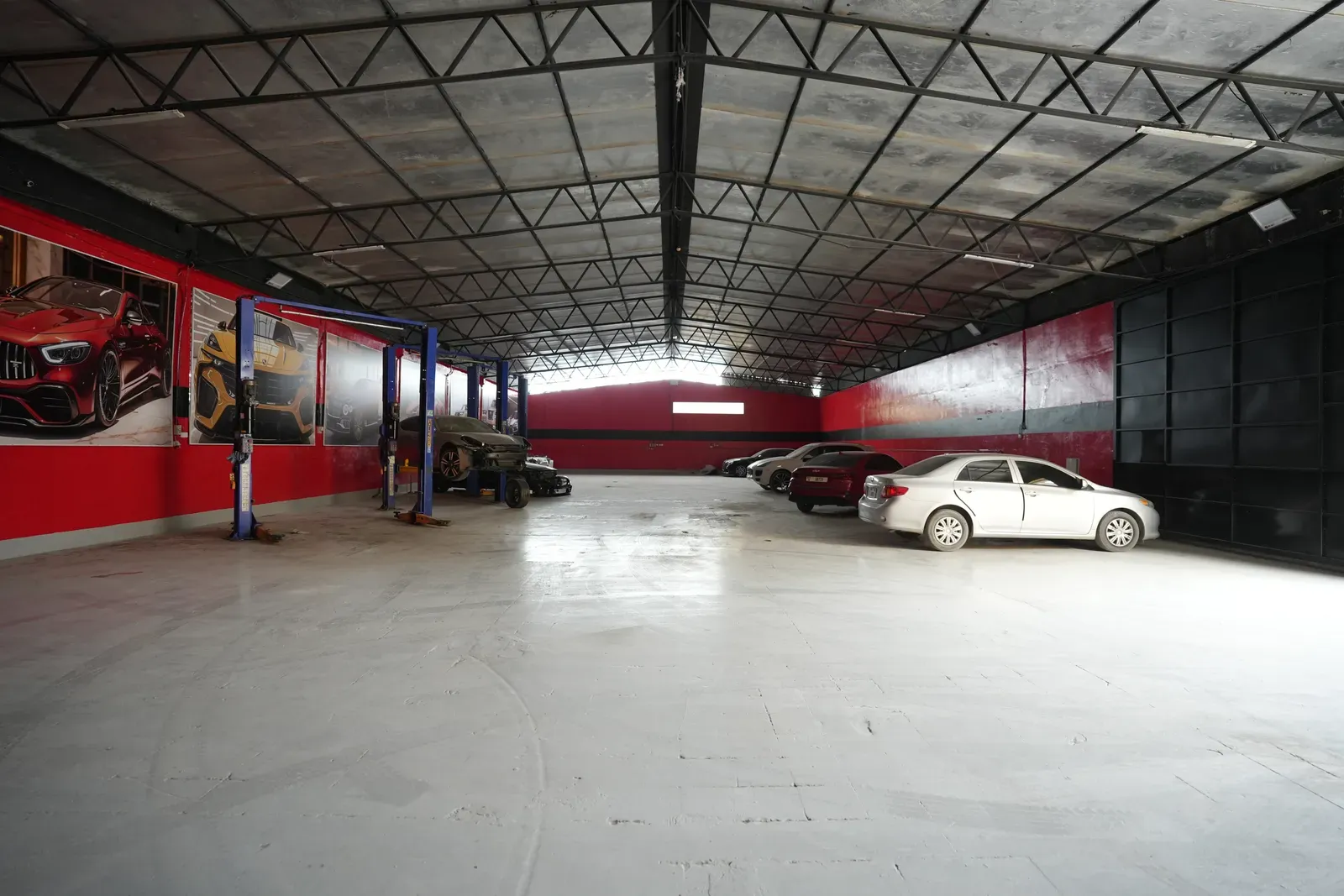
This work is done in this workshop, and nothing on your car is touched until you know what we found and what it costs.
3
What happens
-
3.1
The paint is prepared before anything is applied
A coating bonds to whatever surface it meets and then stays there. Put it over bonded grit and the grit is sealed in. Put it over swirl marks and the swirl marks are now under a hard clear layer that has to be removed before they can be touched. So the car is washed, decontaminated and — where the paint calls for it — polished first. Most of the work in a coating job is what happens before the bottle is opened.
-
3.2
You see the paint before it is sealed
Before the coating goes on we walk round the car with you under a focused light, because that is the last moment at which anything underneath can be changed. If a panel has been resprayed, if the clear is failing on a roof that has cooked in the sun, or if a chip needs touching in, this is when it gets decided. Coating over a failing panel does not hold, and you would have paid for the coating twice.
-
3.3
Applied by hand, panel by panel, then left alone
The coating is spread over a small area at a time and then levelled off before it sets, because a coating left to dry unlevelled leaves high streaks that can only be machined off afterwards. Once the car is done it stays indoors and untouched to harden, away from dust and water. We will tell you when it is ready for you rather than handing it back early, and we will tell you plainly what still must not happen to it in the first days after that.
-
3.4
Aftercare, because the coating lives or dies on the wash
A coating makes washing easier; it does not make washing optional, and it does not make a brush wash safe. Grit dragged across a coated panel scratches the coating exactly the way it would scratch paint. You get the wash method in writing, along with what strips a coating fastest, so the thing you paid for is not undone at the nearest automatic wash.
4
Common questions
What is the difference between a ceramic coating and paint protection film?
Chemistry versus thickness. A ceramic coating is a liquid that hardens into an extremely thin layer bonded to the paint. It defends against things that attack chemically — sun, bird mess, hard water, road film — and makes the car far easier to wash. It has no thickness worth speaking of, so it cannot absorb an impact: a stone that would have chipped your paint still chips it. Paint protection film is a real sheet of clear plastic applied to the panel, thick enough to take that stone, a shopping trolley, or a scuff in a tight car park. The trade-off is cost and coverage — film is normally fitted to the parts that actually get hit, most often the front. Many people have both: film on the front, coating over the whole car including on top of the film.
Does a ceramic coating mean the car cannot be scratched?
No, and this is the claim to walk away from. A coating is hard but it is thin, so it resists light marking better than bare paint and it does nothing at all against a key, a stone, a trolley or an automatic brush wash. Anyone telling you a coating makes a car scratch-proof is selling you something that does not exist. What it genuinely changes is how easily dirt lets go, how water behaves on the panel, and how well the paint underneath is shielded from chemicals and sun.
How long does a coating last?
We are not going to quote you a number of years, because the honest answer depends on the product, on whether the car sleeps in the sun or under cover, and mostly on how it is washed — and a coating on a car that goes through a brush wash every week will not behave like the same coating on a car washed by hand. What we will do before you commit is tell you which product we would use on your car and why, what its own maker claims for it, and what will shorten it. A coating that has thinned can be topped up or renewed; it does not have to be stripped back to bare paint each time.
Should the car be polished first, or is that just an upsell?
It depends entirely on the state of your paint, and you will be shown that state under a light before you are asked to decide. On a genuinely new car with clean paint, polishing is unnecessary and we will say so. On a car with swirl marks, polishing first is the difference between protecting your paint and sealing its faults under a hard layer for as long as the coating lasts. If we recommend it, we will show you the panel that makes the case, not just add a line to the estimate.
Related services
Work that is often quoted alongside this, each with its own page.
- Paint protection film (PPF) A clear film stuck onto the panels — real thickness, so a stone hits the film and not your paint.
- Car polishing Machine polishing to take the scratches and swirl marks out of the paint itself.
- Car detailing Deep cleaning inside and out — it removes what is on the car, not what is in the paint.
- Car painting and respray Panel paint and full respray, mixed to your paint code and baked, not air-dried in the sun.