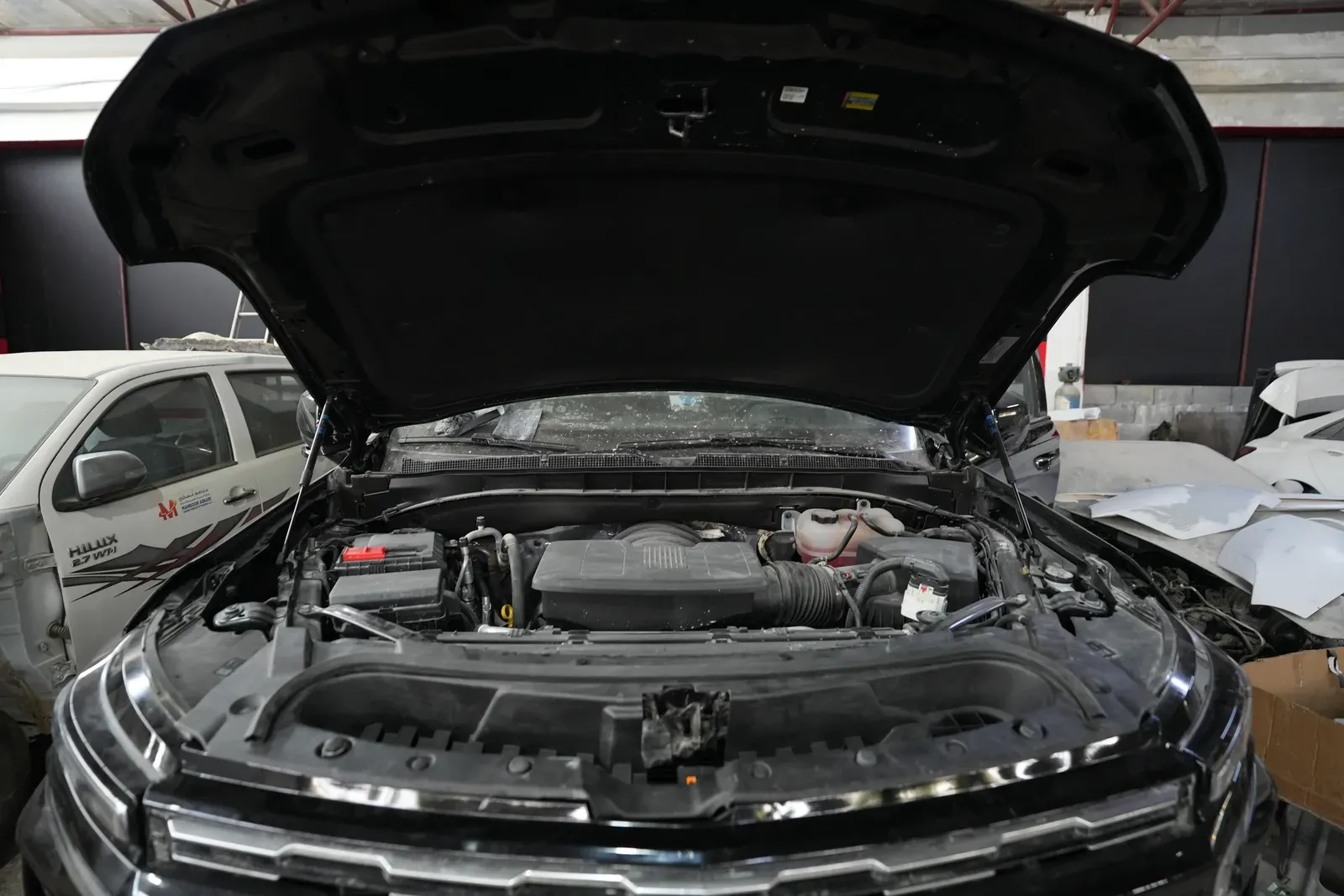
The oil level on my 1.5 turbo has gone up. Is that even possible?
Yes, and it is the fault worth knowing about on this engine. Some fuel gets past the piston into the sump, and on short journeys the oil never runs hot enough for long enough to boil it back out, so the level rises and the oil loses its body. You notice a petrol smell on the dipstick before you notice anything else. It is well documented and it does not mean the engine is damaged, but oil that has been thinned protects less, so it wants an oil change rather than an argument. Two honest notes: there is published service information on this in several markets, and whether anything applies to your car is a VIN question only a franchised dealer can answer, so we will not tell you that you are covered. And we would look at how the car is used, because the cure is partly in the driving.
My V6 is using oil and misfiring on the same cylinders. Do I need an engine?
Not on the strength of that description. The pattern you are describing — the same rear-bank cylinders every time, oil use, a little smoke after a long cruise — is the signature of cylinder deactivation wearing the cylinders it switches off, and the first step is to confirm it with a compression and leak-down test on those specific cylinders rather than on the engine as a whole. That tells you whether the rings are the problem, and whether it is one cylinder or three. On the devices sold to keep all six cylinders running: we will explain what one does and what it does not, and we will not fit anything that masks a fault we have not established first.
Can I use an ordinary automatic fluid in the CVT?
No, and this is one of the few places where the answer really is that blunt. A CVT drives through a steel belt squeezed between pulleys, and the fluid has to give that belt a specific grip while still lubricating everything else. An ordinary automatic fluid is formulated for clutches and a torque converter, gets the friction wrong, and produces the juddering and slipping that people then bring the car in to have fixed. Use the CVT fluid the car specifies. If somebody has already put the wrong fluid in, tell us how long ago and how far it has been driven, because that changes what we would recommend doing about it.
My Civic eats rear tyres on the inner edge. Is it the tyres or the car?
It is the car, almost always, and specifically the rear geometry. That rear axle can sit with more negative camber and more toe than it should, especially if it has taken a kerb or a deep pothole, and the tyre then runs on its inner shoulder while the rest of the tread looks fine. Replacing the tyre without touching the axle buys you the same wear again. We lever the rear arms and bushes first, because a worn bush will not hold any setting, then check the rear angles against the figures for your model and tell you whether the adjustment the car has is enough or whether a part has to change first.
Can the rear pads on my CR-V be changed without the electronic system?
No, and this is where rear pads get done cheaply and the car comes back with a warning light. The rear caliper piston on that system is moved by a motor rather than by hydraulic pressure alone, so it cannot be wound back with a tool the way an older caliper can. The parking brake has to be put into its service position first, the pads changed, and then the system brought back out and the actuators allowed to find their position again. Skipping that strains the actuator, and what should have been a pad change becomes a caliper. Ask whoever quotes you a rear brake job on one of these how they intend to retract the piston. The answer tells you a lot.