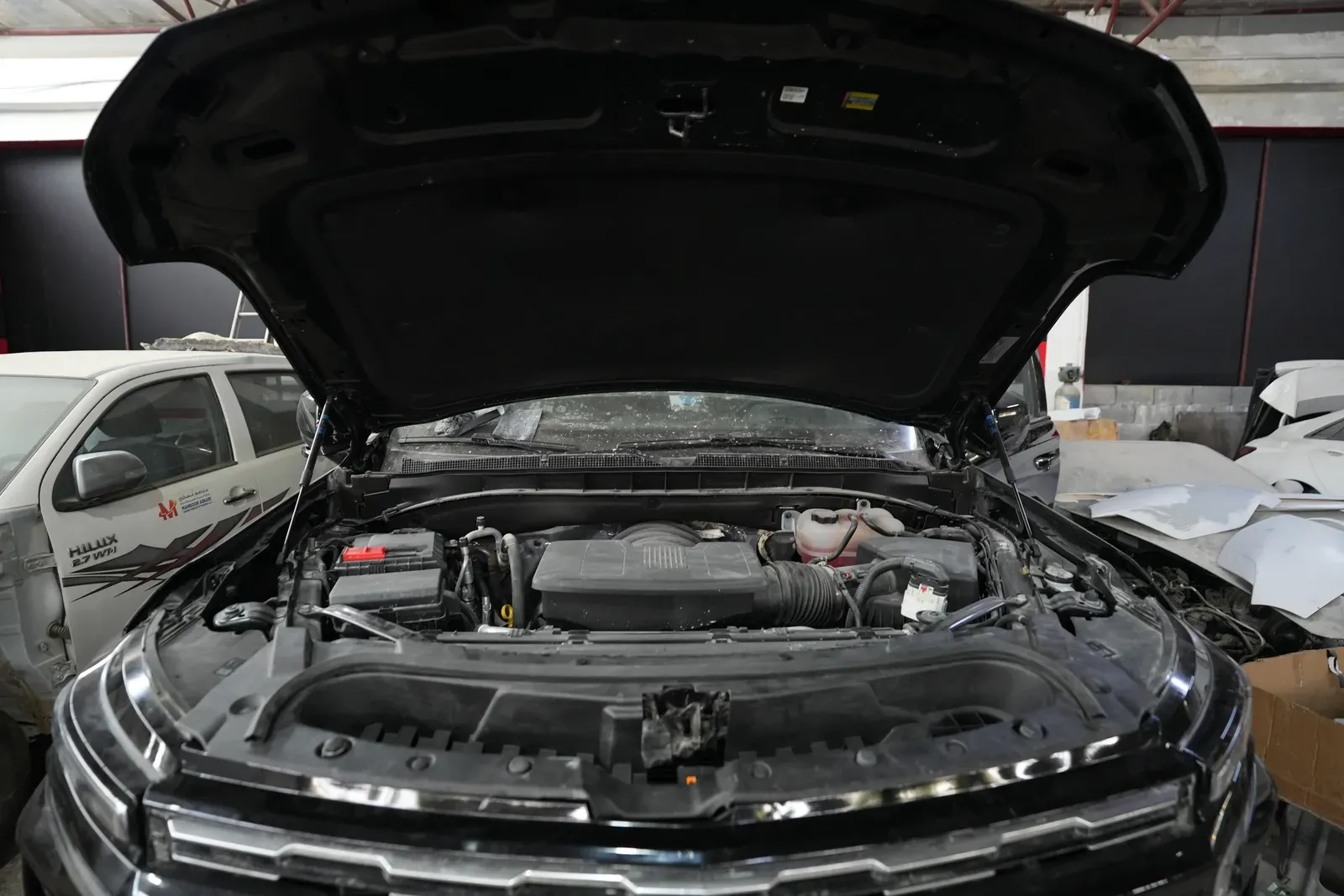
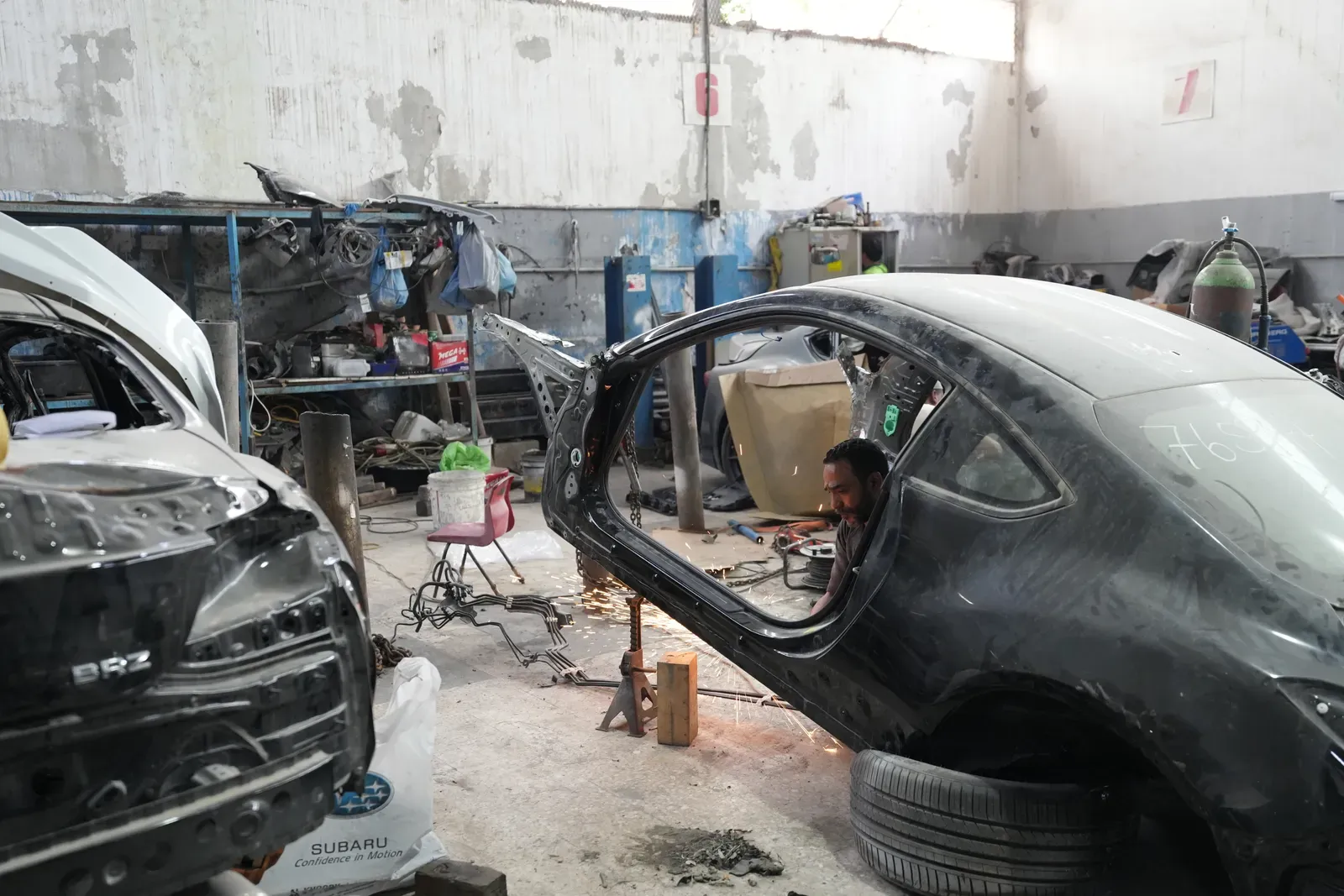
There is a loud rattle for a few seconds on a cold start. How urgent is it?
On this engine, treat it as urgent. The tensioner holds the timing chain tight, and when it can no longer hold pressure while the car is parked the chain goes slack overnight — so what you are hearing is the chain hitting its guides before oil pressure arrives. The guides are plastic, and by the time the rattle is loud they are usually already being worn away. We read the camshaft-to-crankshaft correlation values to see whether the timing has moved, and check the oil for guide material. Caught early it is a defined job. Left long enough, a chain that jumps on this engine is an engine repair rather than a chain repair, and that is the entire reason to look at it now rather than in six months.
My MINI is a BMW underneath. Is it the same to service?
Not where it counts. The engine in most of these is from the Prince family, developed jointly with PSA and built in France, and its known faults are its own: this tensioner, this electric coolant pump, this high-pressure fuel pump. None of them is on a 3 Series. What the two do share is a habit of telling you things through the car rather than through a noise, and a service regime that is calculated rather than printed on a sticker. So the answer is that the diagnostic discipline transfers and the parts list does not. The practical version: get the engine code established from the car before anybody orders anything, because a Cooper and a Cooper S of the same year are not the same repair.
The temperature rises when I stop and falls when I drive. Is that the radiator?
It might be airflow, but on this engine the first thing to rule out is the coolant pump, because it is electric. It does not run off the belt, so it can be stopped dead while the engine idles and everything under the bonnet looks and sounds normal — and at a standstill there is no airflow to cover for it, which is exactly the pattern you are describing. We command the pump from the diagnostic side and watch the coolant temperature and the current it draws respond, then check the cooling fan and the front of the stack for the dust that packs into it here. If the plastic thermostat housing on the pump is weeping as well, a cold pressure test will show it before you lose any more coolant.
I was quoted for a clutch. Why does the flywheel have to be done too?
It does not always. What decides it is the condition of the flywheel when the gearbox is out, and that is the only point at which anybody can honestly know. A dual-mass flywheel has springs between two plates to smooth the drivetrain, and when they are worn the car rattles at idle with the pedal up, shudders when you pull away, and does both again a few weeks after a new clutch is fitted on its own. Because the labour to reach it is the entire job, replacing a worn flywheel while you are in there costs the parts and nothing else, while doing it later costs the whole job twice. We inspect it, tell you what we found, and let you decide with the information in front of you.
The car is old and the gearbox is going. Is it worth fixing?
Sometimes not, and we would rather say so. On the early automatic — the continuously variable unit in the first-generation cars — the work involved can cost more than the car is worth, and pretending otherwise only moves your money from one place to another. What we will do is give you the finding rather than the sales pitch: what the road test and the gearbox data show, what is in the fluid, and what the realistic options are, including selling or keeping it as it is. On the manual cars the answer is usually more encouraging, because a clutch and flywheel is a known job on a car that will still be good afterwards. Either way you get the numbers before you commit.