
Leather repair and restoration
Car leather is not bare hide. It is leather with a thin coloured finish on the surface, and almost everything that goes wrong with it is that finish wearing away rather than the leather itself failing: the shiny bald patch on the seat bolster you slide across getting in, the fine cracking on a seat that bakes in the sun, colour transferred off onto a pair of jeans. That kind of damage is repaired in place — the area is cleaned back, filled where the surface is broken, re-coloured to match your own seat and sealed. Damage that has gone through the leather, a split seam or a burn, is a different job: a sewn repair or a new panel let into the seat.
Start here
- 1Describe what the car is doing, in your words
- 2We investigate it and send you the findings and the price
- 3You approve each line before anything is done
1
Sounds like your car?
Find the line closest to what your car is doing. You do not need the name of the job — the symptom is carried into the booking form with it, and every line below starts at the same place: what we check, and how the work is done.
- 1 The driver’s seat is worn where I get in
- 2 The leather is cracking on top of the seat
- 3 There is a cigarette burn in the leather
- 4 The colour is coming off onto my clothes
- 5 My jeans have stained the seat blue
- 6 The steering wheel has gone shiny and sticky
- 7 The seat is split along the stitching
- 8 The leather has faded on the sunny side of the car
- 9 A dog scratched the back seat
2
What is included
- 2.1The damage assessed first as either surface finish or the leather itself, because they are two different repairs at two different prices
- 2.2The panel cleaned and the old, failing finish taken back so the repair bonds to sound material instead of to flaking colour
- 2.3Cracks and worn areas filled and levelled until the repair reads as the same surface as the leather beside it
- 2.4Colour mixed against your own seat in daylight and tested on a hidden part of the same panel before it goes anywhere visible
- 2.5Grain matched to the surrounding leather, because a smooth patch in a grained seat is as obvious as the wrong colour
- 2.6Split seams restitched with the panel removed where that is what the repair needs
- 2.7Cuts, tears and cigarette burns repaired, or a new section of leather let in where a repair would show
- 2.8Dye transfer from clothing, ink and sun-faded colour restored across the whole panel rather than spot-treated into a patch
- 2.9Steering wheels, gear levers, armrests and door inserts done as their own items, since these wear before the seats do
- 2.10Cleaning and conditioning of the rest of the leather at the end, and an honest account of what will and will not stop it happening again
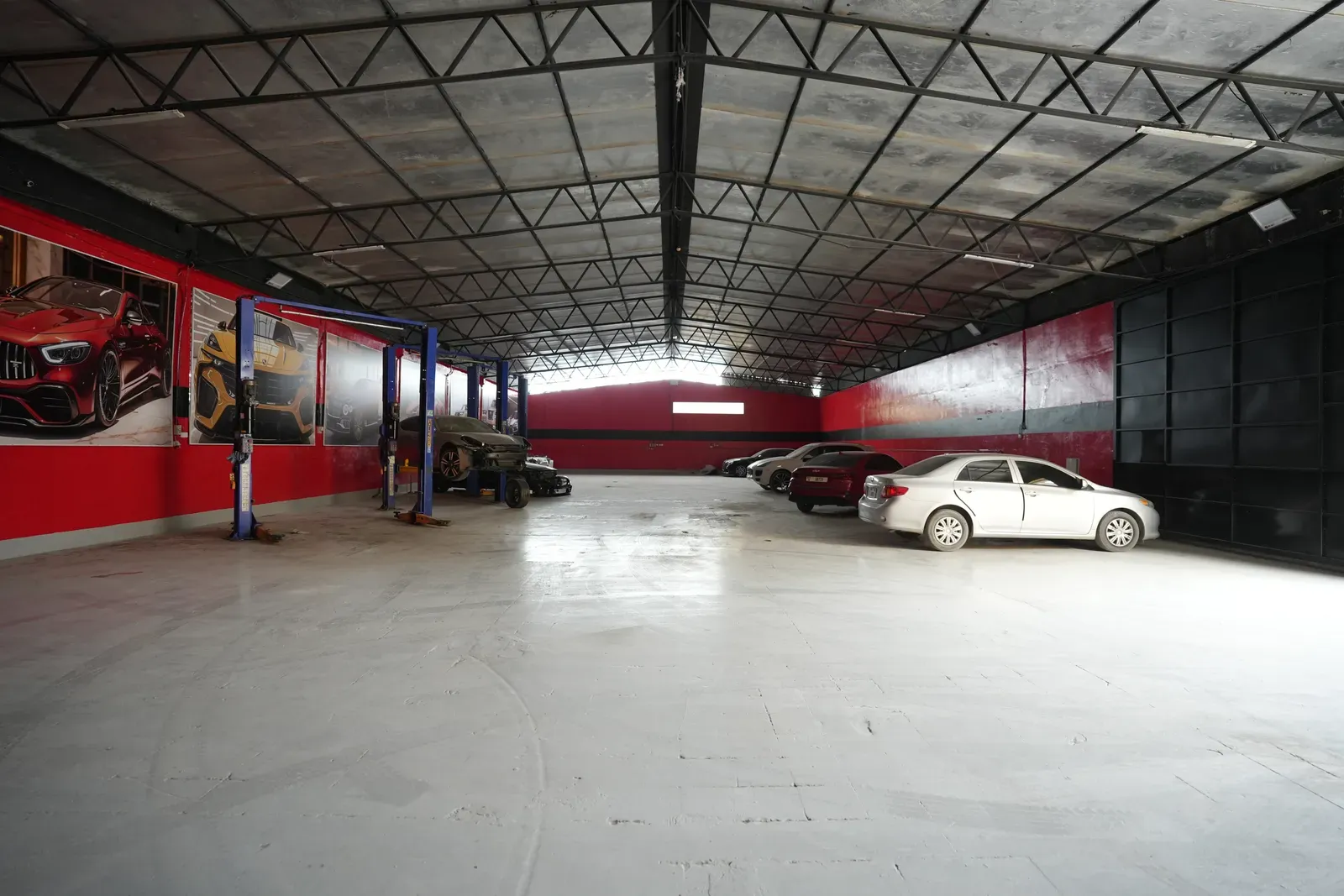
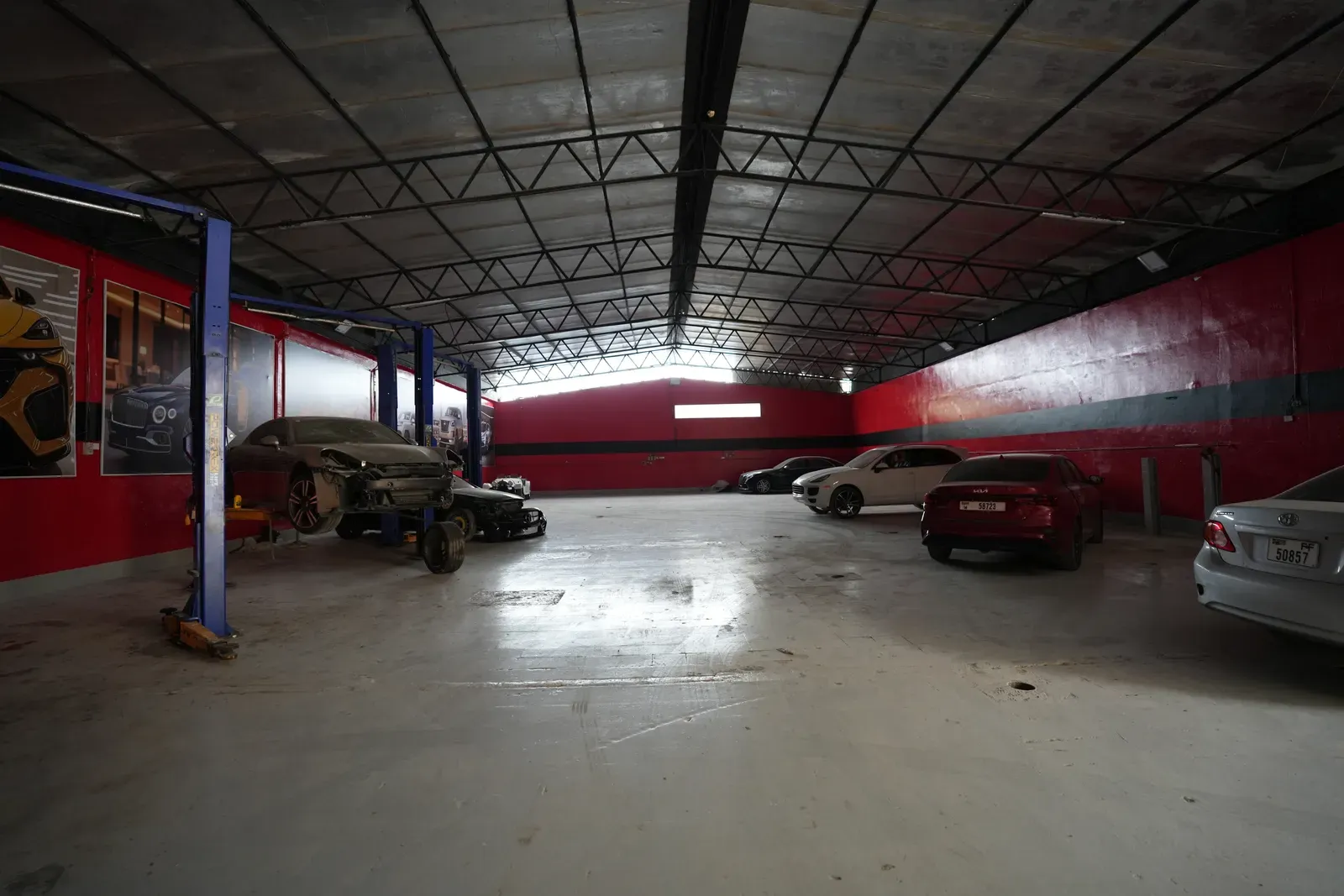
This work is done in this workshop, and nothing on your car is touched until you know what we found and what it costs.
3
What happens
-
3.1
Surface or structure — which one it is decides everything
Press the damaged area. If the leather underneath is still whole and only the coloured finish on top has worn, cracked or come off, it is a surface repair and it can be done with the seat in the car. If you can see through it, if it has torn, or if a seam has given way, the leather itself has failed and it needs sewing or a new section let in. We show you which yours is before a price is written, because the two are not close in cost and being told the wrong one is how people are overcharged.
-
3.2
The old finish comes off before anything goes on
Colour sprayed over a finish that is already lifting takes that finish with it when it peels, and it will peel. So the area is cleaned and the failing coat is taken back to something sound. Where the surface is broken or cracked, it is filled and levelled in stages until it is flat, because colour over an uneven surface is still an uneven surface — just a matching one.
-
3.3
Colour is matched against your car, not against a chart
The leather in your car is not the colour it left the factory: years of sun have moved it, and the driver’s seat has usually moved further than the back seats. So the colour is mixed against the panel being repaired, in daylight, and tested on a hidden part of that same panel first. Where a panel has faded unevenly, it is re-coloured across its whole face rather than spotted, because a perfectly matched patch still shows as a patch.
-
3.4
And why it happened, so it does not happen again
Leather in this climate fails from heat, sun and being cleaned with the wrong things. The bolster wears because people slide across it rather than step in. Dye transfer comes off clothing, not out of the seat. We will tell you which of those caused yours and what actually helps — a sunshade does more than any product — and we will not sell you a treatment and tell you it stops the sun.
4
Common questions
Will the repair match, or will I always see it?
On a surface repair, colour and grain matched against the same panel usually leave something you have to be told about to find. On a cut, a burn or a split seam the honest answer is that a repair is a repair: the area is made sound and far less visible, but it is not the same as new leather. That is exactly when replacing the affected section of the seat is worth pricing instead, and we will quote both where both are real options rather than steering you to the one we would rather do.
Is my interior real leather?
Many cars sold as leather have real leather on the surfaces you touch and a coated fabric on the sides and backs, and plenty of interiors are a leather-look vinyl throughout. It matters because the repair is different. We will tell you what your seats actually are when we look at them — including if it turns out they are not leather, which changes the price in your favour rather than ours.
Can you fix the shiny worn patch on the side of the driver’s seat?
That bolster is the most commonly repaired panel in any car and yes, in most cases. It wears because it takes the whole weight of a person sliding across it several times a day. If the leather underneath is still whole, it is cleaned back, filled, re-coloured and sealed. If it has worn through, that section is replaced. The one thing worth knowing is that it will wear again in the same place unless the way you get in changes, and we would rather tell you that than let you be surprised.
What should I be cleaning my leather with?
Less than most people use, and nothing harsh. The finish on car leather is a coating, and household cleaners, alcohol wipes and strong all-purpose cleaners attack it — a great deal of the cracking and colour loss we repair was helped along by cleaning. A damp cloth for dust, a mild leather cleaner occasionally, and shade or a windscreen sunshade when the car is parked will do more than any product on a shelf. Anyone selling you something that supposedly makes leather sun-proof is selling you a story.
Related services
Work that is often quoted alongside this, each with its own page.
- Upholstery and interior trim Seats, door panels, headliner and carpets — repaired, recovered or replaced.
- Car detailing Deep cleaning inside and out — it removes what is on the car, not what is in the paint.
- Accident and body repair Dents, panels and accident repair — insurance claim or your own cost, explained in order.
- Car polishing Machine polishing to take the scratches and swirl marks out of the paint itself.