Questions

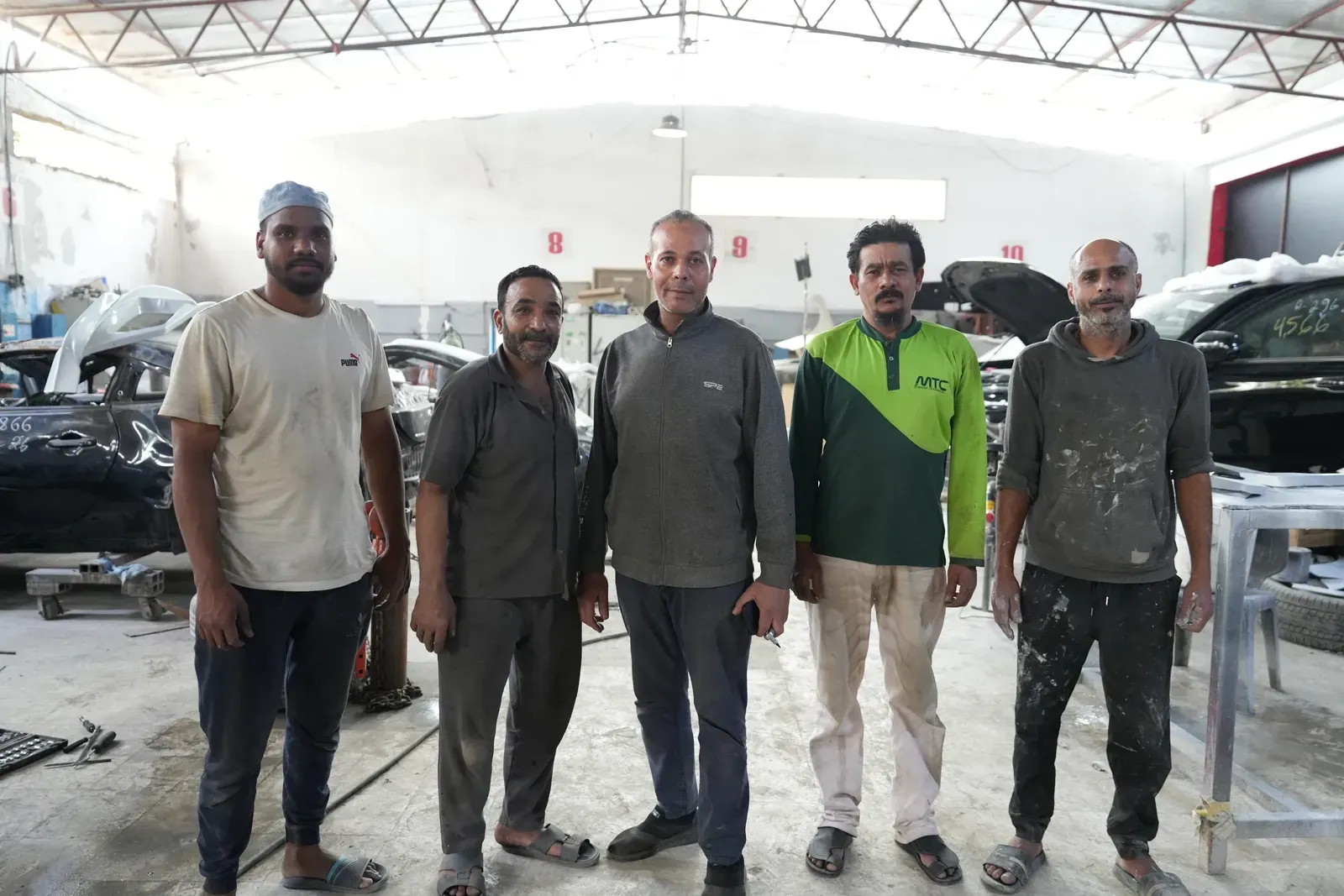
Five technicians standing together on the workshop floor in Sharjah.

Questions, answered

Everything people actually ask before they bring a car in, answered straight and in the first sentence. Where a page on this site answers a question in more depth, the link is under the answer.

There are no prices on this page, and no turnaround times. Neither is published anywhere on this site, because both depend on the car — and a number printed before anyone has seen yours is a guess dressed up as an answer.


01

Booking, and getting the car to us

What to say when you get in touch, what happens next, and what to do if the car will not move.

Do I need an appointment?

Message or call before you come. Anything that needs a lift, a road test or a diagnosis needs a bay and a technician set aside for it, and a car that arrives unannounced waits for both. Tell us the car, what it is doing and when you can leave it, and we will confirm a time and tell you how long we expect to keep it.
In full Send us the car and the symptomCall or message

What do I need to tell you when I book?

Three things: what the car is, what it is doing in your own words, and when you can leave it. You do not need the name of the part, the fault code or a diagnosis from another workshop — describing the noise, the smell or the lamp is enough. Naming it is our job.

In full Find your car’s complaint in the list

I do not know what is wrong with it. Can I still book?

Yes — that is the normal case, not the awkward one. Most cars arrive with a noise and no diagnosis, and the whole first stage of the job is finding out what is causing it before anybody puts a price on anything. There is a list of complaints written in car owners’ own words, and picking the line closest to yours is enough to start.

In full What is your car doing?

Can you tell me what is wrong over the phone?

We can narrow it down and tell you whether it sounds urgent enough to stop driving; we cannot price it. The same description covers several different parts, and which one it is gets decided with the car in the air.

In full How a fault is actually traced

Do you collect the car and bring it back?

Yes — collection and return is a job we do, booked and agreed before anyone drives anywhere. Where we can collect from and what it costs depend on where the car is standing, so we confirm both with you in advance rather than adding them to the bill afterwards.

In full Pickup and drop-off

The car will not start and cannot be driven. What now?

Tell us where it is standing and what it did before it stopped, and we will arrange to come to it rather than asking you to get it here. A car that will not crank, a car that cranks and will not fire, and a car that cut out while driving are three different faults, and which one it is changes what we bring.

In full Battery and chargingGetting the car to us

Can I wait while the work is done?

It depends on the job, and we will tell you which kind yours is when we book it. Some work is short enough to wait for; anything that needs the car to stand, cool down, be road-tested or wait on a part is not, and we would rather say so at the start than have you sitting in a waiting room being told "another hour" four times.

Do you work on my make of car?

Tell us the make and model and we will answer straight. We are not approved, authorised or appointed by any manufacturer and we will not describe ourselves as anybody’s centre — what matters is whether the specific job on your car can be done properly here, and where the answer is that it has to go to the franchise you will hear that before the car is in pieces rather than after.

In full Marques and kinds of car

↑ Back to contents

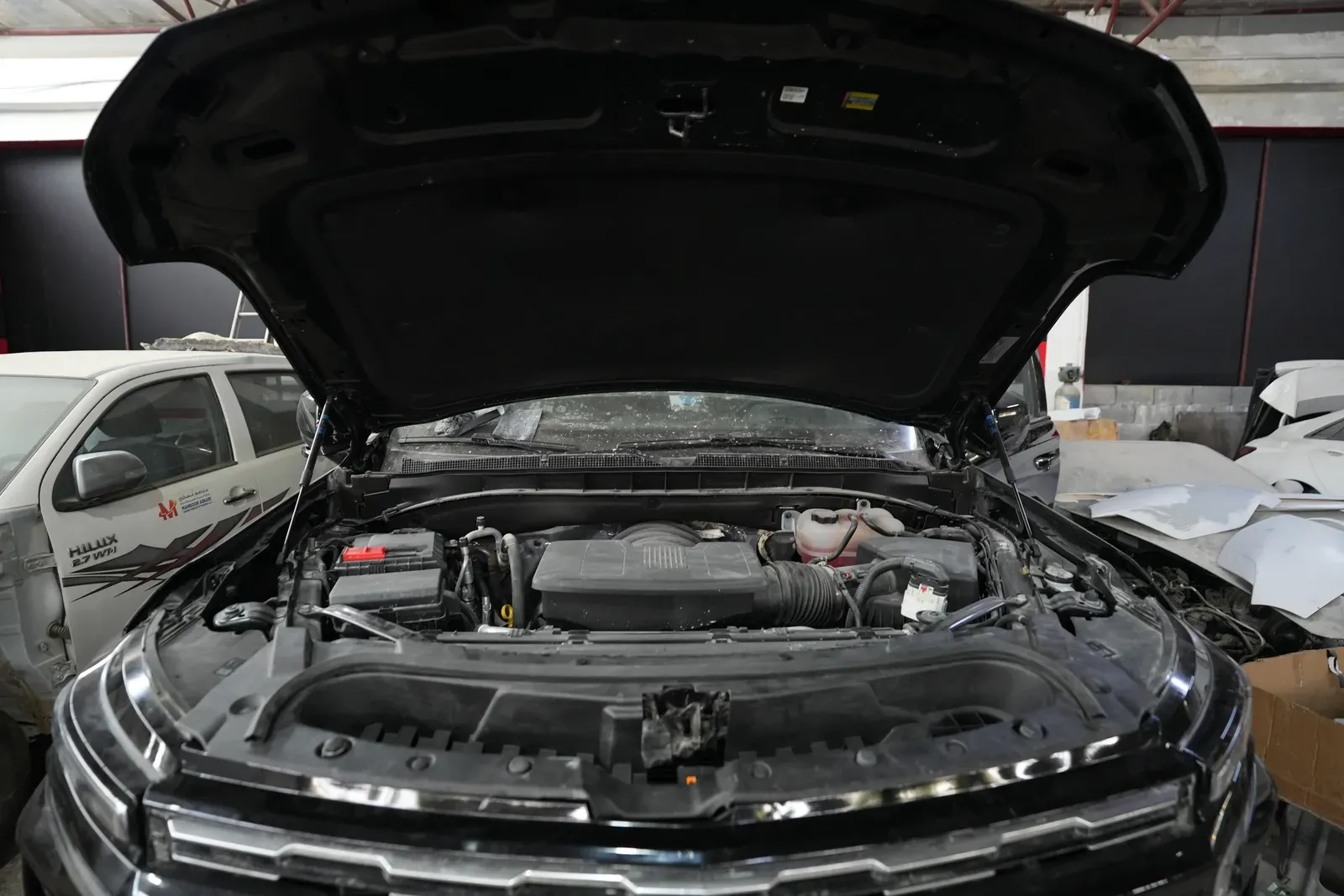
An engine bay open on a vehicle in for work, photographed close and in detail.

What is actually wrong, and what it costs, before anything is touched.


02

What it costs, and why we will not quote blind

There is no price list on this site. This section explains what you get instead, and when.

How much will it cost?

We tell you after we have looked at the car, in writing, before anything is touched. There is no published price list on this site because a number printed before anyone has seen your car is a guess, and a guess that is too low is how a bill ends up larger than the conversation. What you get instead is a priced list of the specific work your car needs, with parts and labour on separate lines.

In full How a price is arrived at

Why will you not give me a price over the phone?

Because the price follows the fault, and the fault is not known yet. "Brakes squealing" is between a pad change and a seized caliper with a scored disc, and the two are not the same bill. A workshop that names a figure on the phone is either quoting the cheap version and revising it later, or quoting the expensive version to be safe.

Is there a charge for looking at the car?

It depends on how much looking the fault needs, and you are told which before you leave the car. Lifting a wheel off to see a worn pad is part of the job; tracing an intermittent electrical fault is hours of a technician’s time with equipment attached, and that is chargeable work. Ask for the current rule when you book and you will be given the figure and exactly what it covers.

In full Diagnostics

Will the final bill match what you quoted?

Yes, because you approve the work line by line and the invoice lines are the lines you approved. Nothing is added silently: if something else is found while the car is open, it comes back to you as a new line with its own price, and it waits for you.

In full Approval, line by line

Can I have some of the work done and not the rest?

Yes. Declining a line does not cancel the rest of the job and does not cost you anything. What we will not do is quietly drop a finding because you declined it — it stays on the record so that the next time the car is in, it is still there to be read.

Are parts and labour priced separately?

Yes, on every line, with VAT shown rather than folded into the figure. It is the only way to see what you are actually paying for — a single total tells you nothing about whether the part is expensive or the job is long.

Do you use original parts or aftermarket?

Both, and the line you approve names the brand of the part and whether it is new, reconditioned or used — before you agree to it, never afterwards on the invoice.

In full Parts, and how they are chosen

Do you do insurance work, and do I have to use the garage my insurer names?

We do accident repair either way — through a claim or paid directly — but which garage your cover allows is a question about your policy, and your policy is a contract between you and the insurer that we will not interpret for you. Read it, or ask them in writing.

In full Accident and panel repair

What warranty do you give on the work?

We have not published a warranty period, and we are not going to invent one on a web page. Ask when the work is quoted and you will be told in writing what applies to that job, with the answer attached to the same record as the price — which is worth more than a number on a website that nobody can hold anybody to.

Why is your part more expensive than the shop down the road?

Usually because it is not the same part, and sometimes because the job around it is not the same job. The comparison worth making is line for line — same part, same brand, same work included — and our lines are itemised precisely so that comparison is possible.

In full Brakes, as a worked example

↑ Back to contents

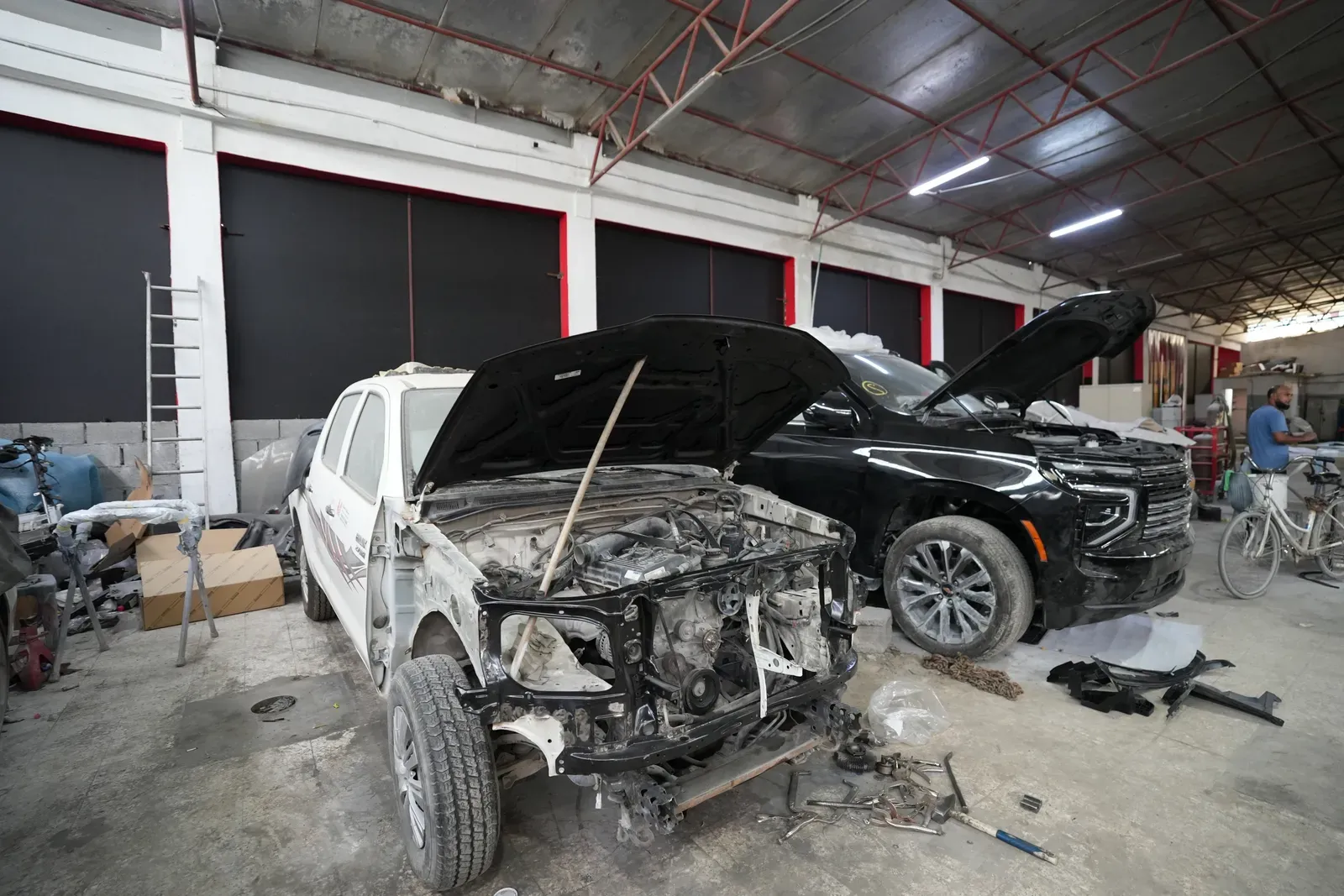
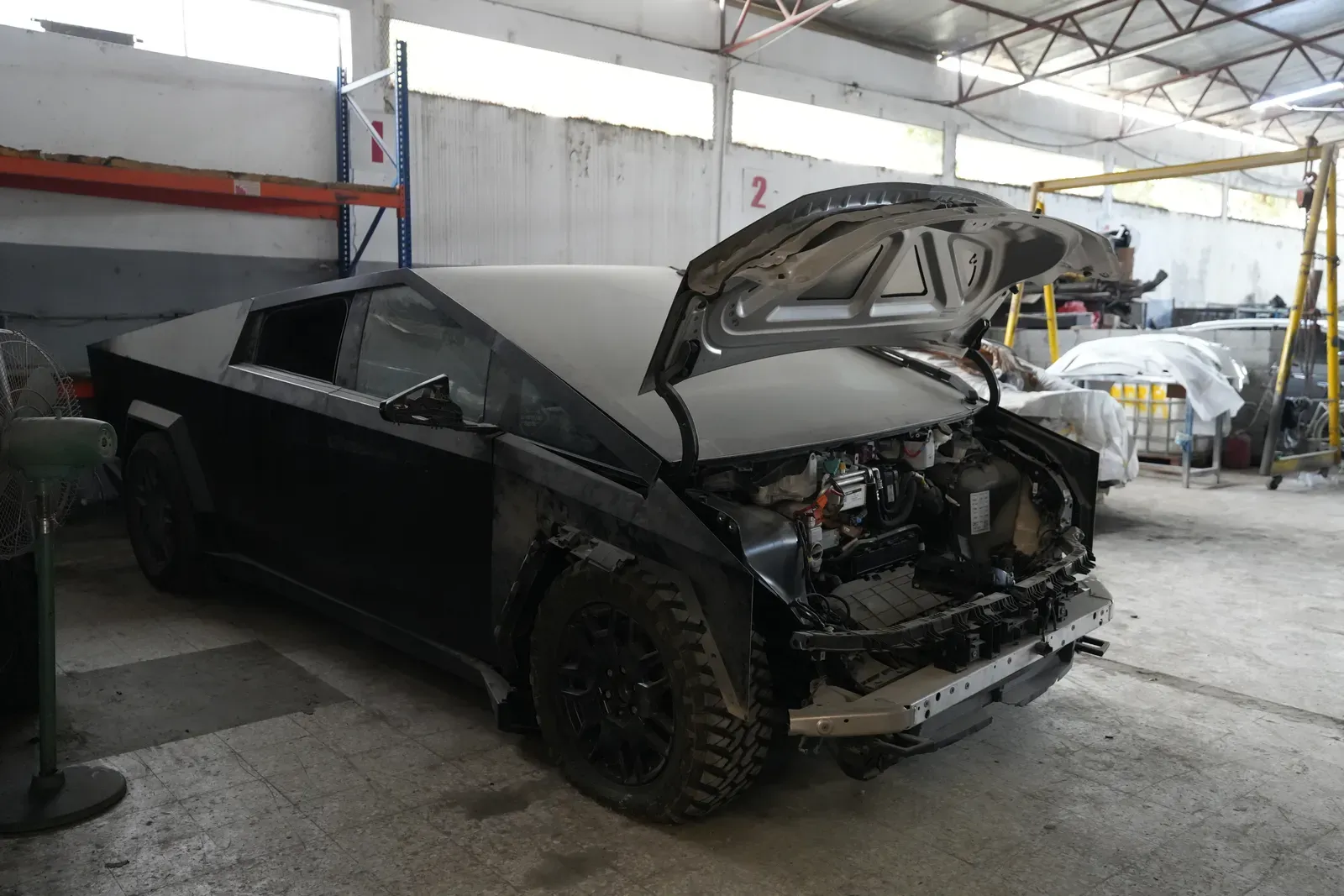
A black pick-up in the workshop with its bonnet up and the front end stripped.
Bonnet up, under the workshop lights. A viewing in a car park does not get this far.

The next twelve questions are about a car that is not yours yet. It is the one job here where the evidence IS the product: the car goes on a lift, what can be measured is measured, and you are handed the result whether you buy the car or walk away from it.

Book an inspection

03

The pre-purchase inspection

Buying a used car. What an inspection finds, what it cannot find, and what you are handed at the end.

What is a pre-purchase inspection?

It is a paid inspection of a car you are thinking of buying, carried out by someone who is not selling it to you, and it ends in a written report rather than an opinion. The car goes on a lift, what can be measured is measured, and every finding is recorded with a status — OK, Attention soon, Action required, or Not inspected — so you can read it, keep it, and show it to the seller.

In full The inspection, in full

The car is from a dealer and comes with a certificate. Do I still need one?

Yes, because a certificate arranged by the seller answers to the seller. That is not an accusation about any particular dealer — it is that you cannot tell, from the certificate, which items were looked at properly, which were skipped, and which were marked good because nobody could reach them. An inspection you commissioned tells you where it could not see, by name.

In full What an inspection actually catches

What gets checked?

Structure and accident evidence, engine and cooling, transmission and drivetrain, brakes, suspension and steering, tyres and wheels, air conditioning, and diagnostics and electrical. Each area is inspected and recorded, and wherever a manufacturer limit exists the reading and the limit are both shown, so a finding can be judged rather than taken on trust.

In full Every area, and a sample report

Does the car have to come to you?

Either the car goes on a lift here, or we come to it — send us the listing and the seller’s location and we will tell you which is possible for that car. A lift sees things a driveway cannot, so where there is a choice we will say so rather than let you assume the two are equivalent.

What do I get at the end?

A written report you can read, filter, keep and show to the seller, and a conversation walking you through it. Every item marked as needing work carries what it would cost to put right — which is the figure you take into the negotiation, and the reason the report is worth more than a verdict of "it seems fine".

In full A worked example of the report

Can you tell whether the car has been in an accident?

We can tell you what the car physically shows: paint depth readings across every panel, panel gaps, the state of the bolt heads, the factory seam sealer, and the underside. A repaired car looks exactly like an untouched one once the colour is back on — the difference is a measurement, not an opinion, which is why the report prints the readings rather than a conclusion on its own.

In full Accident repair under fresh paint

Can you look up the car’s official accident or insurance history?

No. There is no public database we can query, and any workshop telling you it has one is describing something else. What we report is the physical evidence on the car, which is a different kind of answer and in some ways a better one: a history file records what was claimed, and the car records what was done to it.

Can you tell if the mileage has been wound back?

Not with certainty, and nobody can. Odometer readings can be altered, so what we report is what the cluster shows and whether the car’s physical condition is consistent with it — wear on the pedals, the seat bolster, the steering wheel and the suspension all age with use rather than with the number on the dash.

What can an inspection not find?

It is a snapshot of one day, it is not a warranty, and it cannot predict a failure. We do not dismantle the car, so internal engine and gearbox wear is assessed by measurement, sound, road test and diagnostics rather than by opening them. Anyone who says an inspection sees everything is selling you something.

In full Where the inspection stops

The seller will not let the car go on a lift. What then?

We inspect what we are given access to and we say in the report exactly what we were not allowed to see, rather than guessing at it. A refusal is information in itself, and it is written down as such: an item we could not assess is marked Not inspected with the reason, and it is never quietly marked good.

Is this the same as the annual government test?

No, and it does not replace one. The annual test asks whether a car may stay on the road; a pre-purchase inspection asks what you are about to inherit and what it will cost you. A car can pass the first comfortably and still be a bad buy.

What does an inspection cost?

Send us the listing and we will tell you the price before anybody drives anywhere — what the inspection covers and what it costs, in writing, up front. It is not on this page because it depends on the car and on where it is standing, and a figure printed here would be right for some cars and wrong for others.

In full Ask about a specific car

↑ Back to contents


04

Servicing and intervals

What a service is, how often, and what this climate does to the schedule in the handbook.

How often should I service my car?

The interval is your manufacturer’s, and it differs by engine and by oil type, so we read the schedule for your model rather than quoting one figure at everybody. The part worth knowing here is that the TIME limit matters as much as the distance one: stop-start city driving in Gulf heat is harder on oil than the conditions most schedules assume.

In full Servicing

What is the difference between a minor and a major service?

A minor service is the oil, the filters and a full check-over; a major adds the items that come due on a longer cycle — fluids, spark plugs, belts and the checks that only make sense at higher mileage. Which one your car is due is decided by its schedule and its history, not by how long it has been since you last spent money on it.

In full Minor serviceMajor service

Will servicing outside the agency affect my manufacturer warranty?

While the car is still covered, the agency is the right place for it, and anything that might be a warranty claim should be presented there rather than here — we will tell you that rather than take the work. The terms themselves are a contract between you, the manufacturer and the agency, so read it or ask them in writing; interpreting it is not our job. Once the cover has ended, what we keep is a dated, itemised record of every part and fluid fitted with its specification named.

In full What a service record contains

I barely drive it. Does it still need servicing?

Yes. A distance-based schedule never falls due on a car that barely moves, but the summer here does not wait for the odometer — which is why a low-mileage Gulf car is often in worse condition than its reading suggests rather than better.

In full What the heat is actually doing

I do not know when it was last serviced. Where do I start?

Start with a service and a full check-over, and tell us it has no known history so nothing is assumed. A car with no record is treated as if every interval is due until the car itself shows otherwise — fluid condition, filter state and the parts themselves say more about the last service than a missing stamp does.

In full Servicing

Can I bring my own oil and parts?

Tell us before you buy them. We will read the specification your engine actually needs and say honestly whether what you are holding meets it, and we will say plainly, before we start, what we can and cannot stand behind on a part we did not supply.

In full What is in a service

↑ Back to contents


05

Faults people arrive with

What to do right now, in one line each. The page that explains the fault is linked under every answer.

The engine light is on. Can I keep driving?

If it is steady, drive gently and get it looked at; if it is flashing, stop. A flashing engine lamp generally means a misfire pushing unburnt fuel into the exhaust, which can destroy a catalytic converter in a short distance. Steady or flashing is the single most useful distinction on any dashboard.

In full Reading the warning lightsDiagnostics

A red warning light came on. What do I do?

Pull over as soon as it is safe and switch the engine off. Under the international standard for dashboard symbols, red means a hazard that is immediate or imminent — it is not the car asking for attention at your convenience, and the red oil-pressure and temperature lamps in particular are ones manufacturers tell you in their own manuals to stop for.

In full The red ones, and why

The temperature gauge is climbing. Can I make it home?

No — stop and switch it off. Manufacturers are unambiguous about this one: continuing to drive an overheating engine risks damage that turns a cooling repair into an engine repair, and in this climate every cooling system in the country is already working near the top of its design range for months at a time.

In full The red thermometerEngine and cooling

How long should a car battery last here?

Less than the number printed on it, because heat is the clock rather than the calendar. Under-bonnet temperatures in stop-start traffic run far above the air temperature, the damage that causes is not reversible, and a battery that has had a hard summer does not come back after a long charge.

In full Why batteries die fast hereBattery and charging

The battery is new and the car still goes flat. Why?

Something is either draining it while the car is parked or failing to charge it while you drive, and those are two different tests. A replacement battery answers neither question, which is why the second one usually follows the first within a few months.

In full Electrical fault finding

My brakes are grinding. Can it wait until the weekend?

No. Grinding usually means the friction material is gone and metal is running on metal, which is both a longer stopping distance now and a disc to buy as well as a pad by the weekend.

In full Brakes

There is a knock over speed bumps. Is that serious?

It depends which joint, and the range runs from a cheap link to an arm that holds the wheel on — so it is answered by isolating one joint on the car, never by reading out a list of likely causes.

In full Suspension and steering

↑ Back to contents

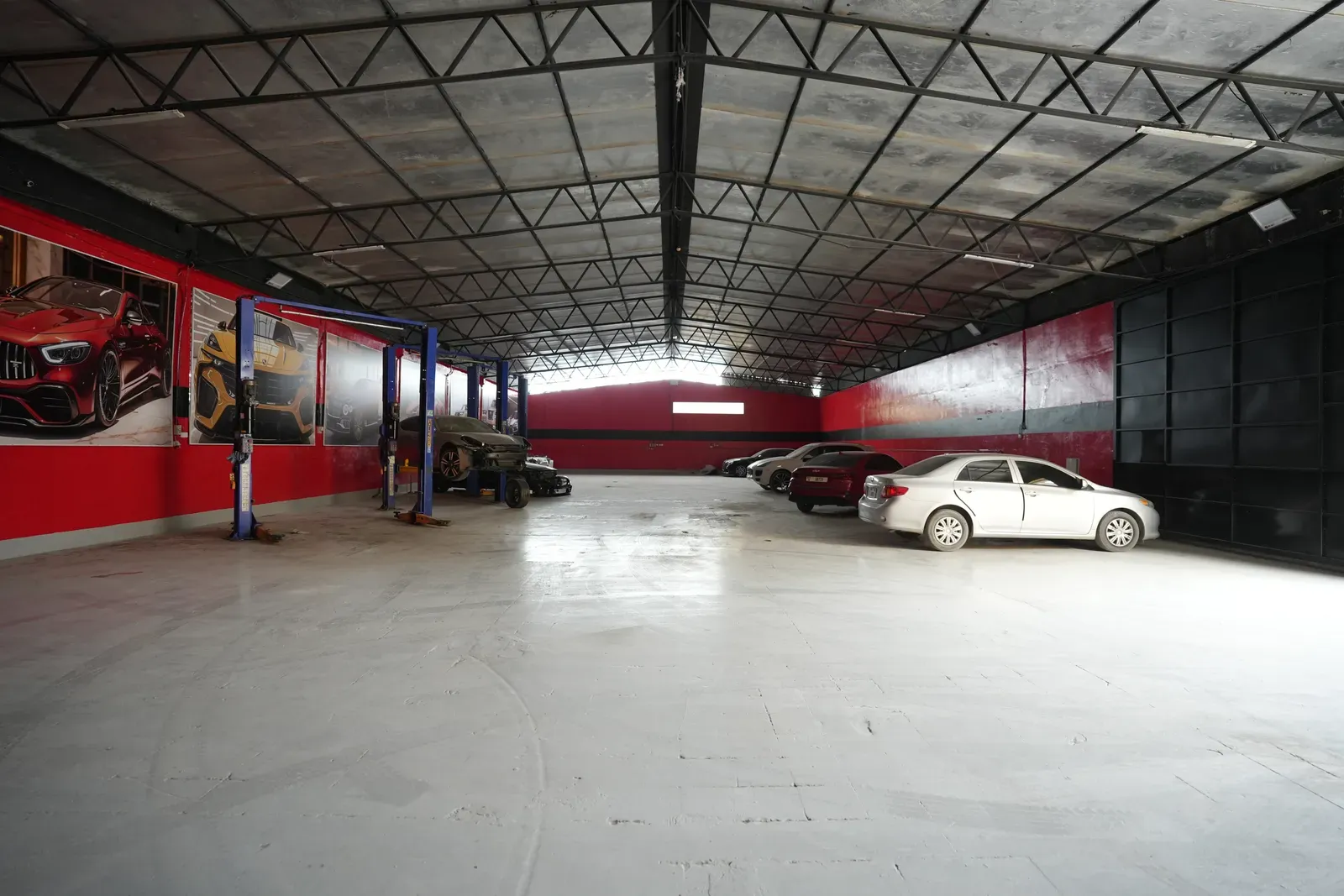
A row of cars standing in the body and paint bay with their bonnets open.
The body and paint side of the building, where the questions below get answered in metal.

06

Bodywork, paint and protection

After an accident, and everything sold under the word “protection” — which are four different products.

I have had an accident. What do I do first?

Get the police report first — an insured repair cannot be started without it, here or anywhere working properly — then decide whether you are claiming. Bring us the car and the report and we will tell you what the damage actually is, including whether anything behind the panel moved, which is the part a photograph never shows.

In full Accident and panel repair

Can you match my colour exactly?

Matching is done against the car as it is today, not against the paint code, because sun-faded paint no longer matches the code it left the factory with. That is why a panel sprayed to the code alone can come back visibly wrong in daylight.

In full Paint and refinishing

Will a buyer be able to tell the car was repaired?

Yes, if they inspect it properly — a paint thickness gauge reads a repainted panel differently from factory paint, and anyone promising an invisible repair is telling you what you want to hear. What a good repair gives you instead is a car that is correct, safe and documented, with every panel and part named on the invoice.

In full How a repair is documented

Why is the clear coat peeling off my roof and bonnet?

Because those are the panels facing straight up, taking the most ultraviolet and the most heat, and once the clear coat has failed it cannot be polished back — the layer that carries the gloss is gone. The repair is refinishing the panel, and the earlier it is caught the smaller the area is.

In full Paint and refinishing

Polishing, ceramic coating, PPF, detailing — what is the difference?

They are four different things and only one of them stops a stone. Polishing REMOVES a little paint to level out scratches, a ceramic coating adds a thin chemical layer that changes how the surface behaves, paint protection film is a physical sheet thick enough to take an impact, and detailing is the cleaning and decontamination that decides how long any of the others last. The order matters and it is not negotiable.

In full The four, side by side

Does a ceramic coating mean the car cannot be scratched?

No. A coating is measured in microns and a car park is not — it makes washing easier, resists chemical staining and holds gloss, but it is not armour and nobody should sell it to you as armour. If stone chips are what you are protecting against, that is film, not coating.

In full Ceramic coating

Can protection film be removed later without damaging the paint?

From sound factory paint, yes — that is the point of it. From a panel that was resprayed badly, or from paint already failing underneath, removal can lift what is under it, which is a reason to know the condition of the paint before the film goes on rather than after.

In full Paint protection film

How dark is car window tint allowed to be in the UAE?

For a privately owned car the figure reported consistently since a 2017 ministerial resolution is 50 per cent on the side and rear glass — at least half the light still has to come through — and the front windscreen is outside the allowance altogether. The allowance is not the same for every vehicle class and traffic law is revised from time to time, so we confirm what applies to your car before any film is cut. If you want it darker than the limit, the answer is no.

In full Window tinting

↑ Back to contents

The inside of the workshop in Sharjah looking out through the open front onto the street.

07

The workshop, hours and getting here

Where we are and when we are open. Every one of these facts is read from one file, so none of them can drift.

Where are you?

We are in Sharjah. The address and a map link are below, and the map pin is a coordinate rather than a listing, so it will route you to the right industrial block.

Address
Industrial Area 5Sharjah Open in Maps

In full Directions and landmarks

What are your opening hours?

We work a split shift — mornings and evenings, with a long midday close — and we are closed on Friday. The exact times are below.

Opening hours
Saturday – Thursday 08:00–13:0016:00–22:00
Friday Closed

Are you open in the middle of the day?

No — the midday close is real and the workshop is shut through it. It is published as two shifts rather than one long span for exactly that reason: a single opening time would send somebody across Sharjah in the afternoon to a locked door.

How do I reach you?

Call or message on the number below, or send the details through the site and we will come back to you. A message with the car, the symptom and a rough time you are free is enough to get a slot held.

Contact
052 217 3333 WhatsApp us [email protected]

In full Contact

Which language should I write to you in?

Arabic or English — you choose at the start and we keep to it for the whole job, including the findings and the invoice. Every page of this site exists in both, and the choice is recorded with the booking rather than remembered by whoever answered.

↑ Back to contents


08

Your car’s record, and your data

What is written down, who it belongs to, and what happens to it after you drive away.

What gets written down about my car?

The condition the car arrived in, what you told us it was doing in your own words, every finding whether or not you had it done, the lines you approved and the lines you declined, and an itemised invoice whose lines match that list. It is attached to the vehicle rather than to a technician’s memory, so it is still there the next time the car comes in.

In full What you keep afterwards

Do you photograph my car?

On a pre-purchase inspection, yes — photographs and measured readings are what that report is made of, because evidence is the product you are paying for. On ordinary repair work we do not claim to photograph every car, and we are not going to start claiming it here: what you get on a repair is the finding, how it was proved, and the part itself in front of you.

Can I get the record later, when I sell the car?

Yes. The job ends and the record does not — ask and you can have it, including part numbers for what was fitted. A dated, itemised history is worth real money to the next buyer, and it is the same evidence a manufacturer’s service terms normally ask for.

What do you do with my phone number?

We use it to reach you about your car — to send the findings, ask for approval, and tell you the car is ready. What is collected and why is set out on the privacy page, and it is short enough to read.

In full Privacy

↑ Back to contents

Your question is not on the list

Then it is a question nobody has written down yet, which is not the same as a question we cannot answer. Send it with the car and the model and you will get a straight answer back.

Book WhatsApp us Call