
Car electrical repair
Electrical faults are where parts get thrown at a car. A dead battery becomes a new battery, then a new alternator, and the car is still dead on Friday morning because the actual fault was a corroded earth strap or a module that never went to sleep. Electricity leaves evidence: voltage drop across a bad connection, current flowing where nothing should be drawing. We measure it.
Start here
- 1Describe what the car is doing, in your words
- 2We investigate it and send you the findings and the price
- 3You approve each line before anything is done
1
Sounds like your car?
Find the line closest to what your car is doing. You do not need the name of the job — the symptom is carried into the booking form with it, and every line below starts at the same place: what we check, and how the work is done.
- 1 The car is dead if I leave it two days
- 2 The battery is new and it still will not start
- 3 The lights dim when the AC comes on
- 4 It clicks when I turn the key but does not start
- 5 The battery light is on while I am driving
- 6 The windows or central locking stopped working
- 7 A fuse keeps blowing
- 8 The dashboard lights flicker
2
What is included
- 2.1Battery rest voltage and a load or conductance test, with the reading given to you
- 2.2Charging system output measured at the battery with the engine running and with load applied
- 2.3Parasitic drain measured in milliamps after the modules have gone to sleep, then traced fuse by fuse
- 2.4Voltage drop tested across battery terminals, earth straps and main feeds, which is how a bad connection is proved
- 2.5Starter motor current draw and starter circuit tested before the starter is condemned
- 2.6Alternator diode condition and belt or pulley condition checked
- 2.7Wiring repair: chafed looms, corroded connectors, heat-damaged sections near the exhaust
- 2.8Lighting, wipers, windows, central locking, horn and interior electrics
- 2.9Aftermarket wiring inspected, because a previous accessory install is a common source of drain and of fire risk
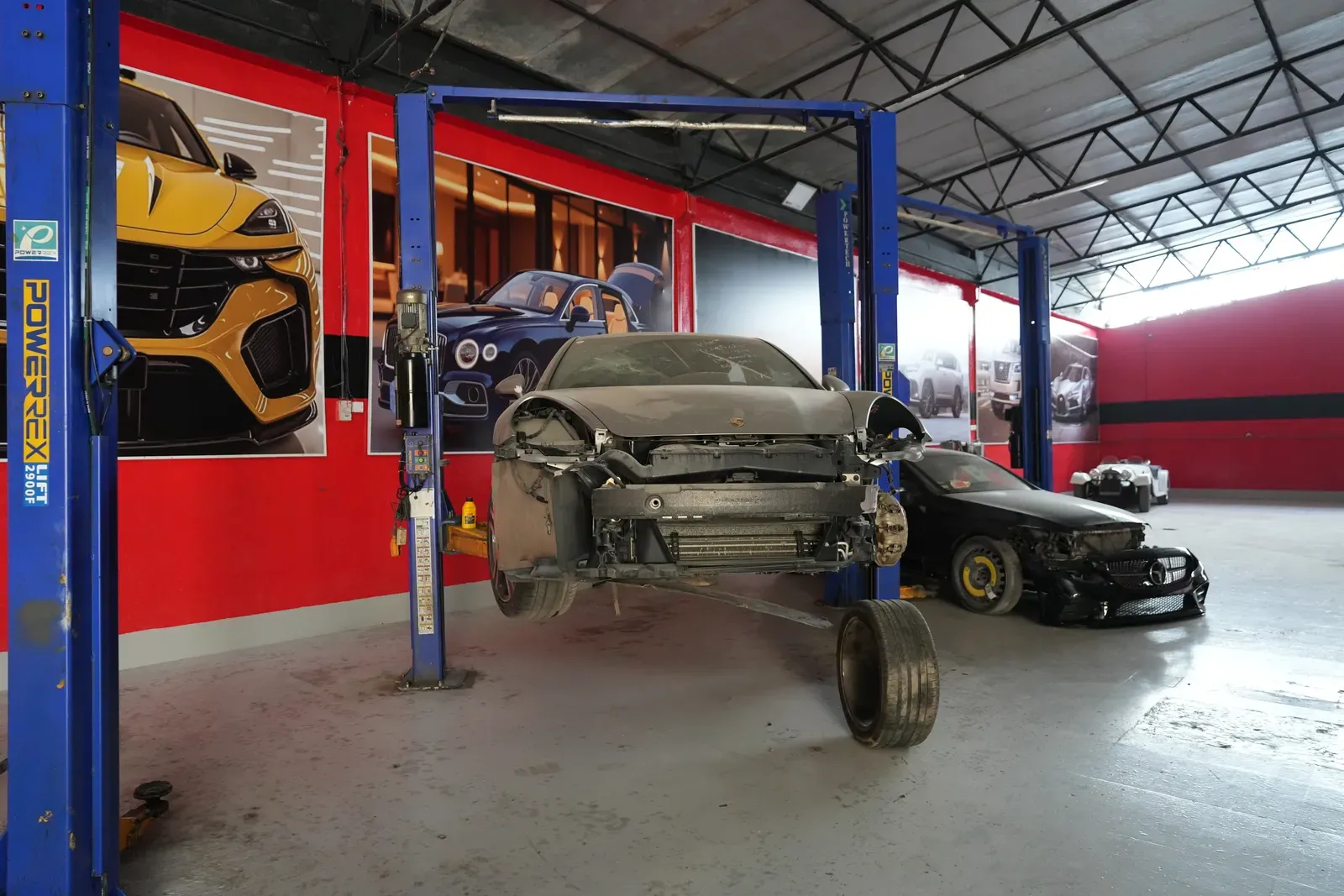
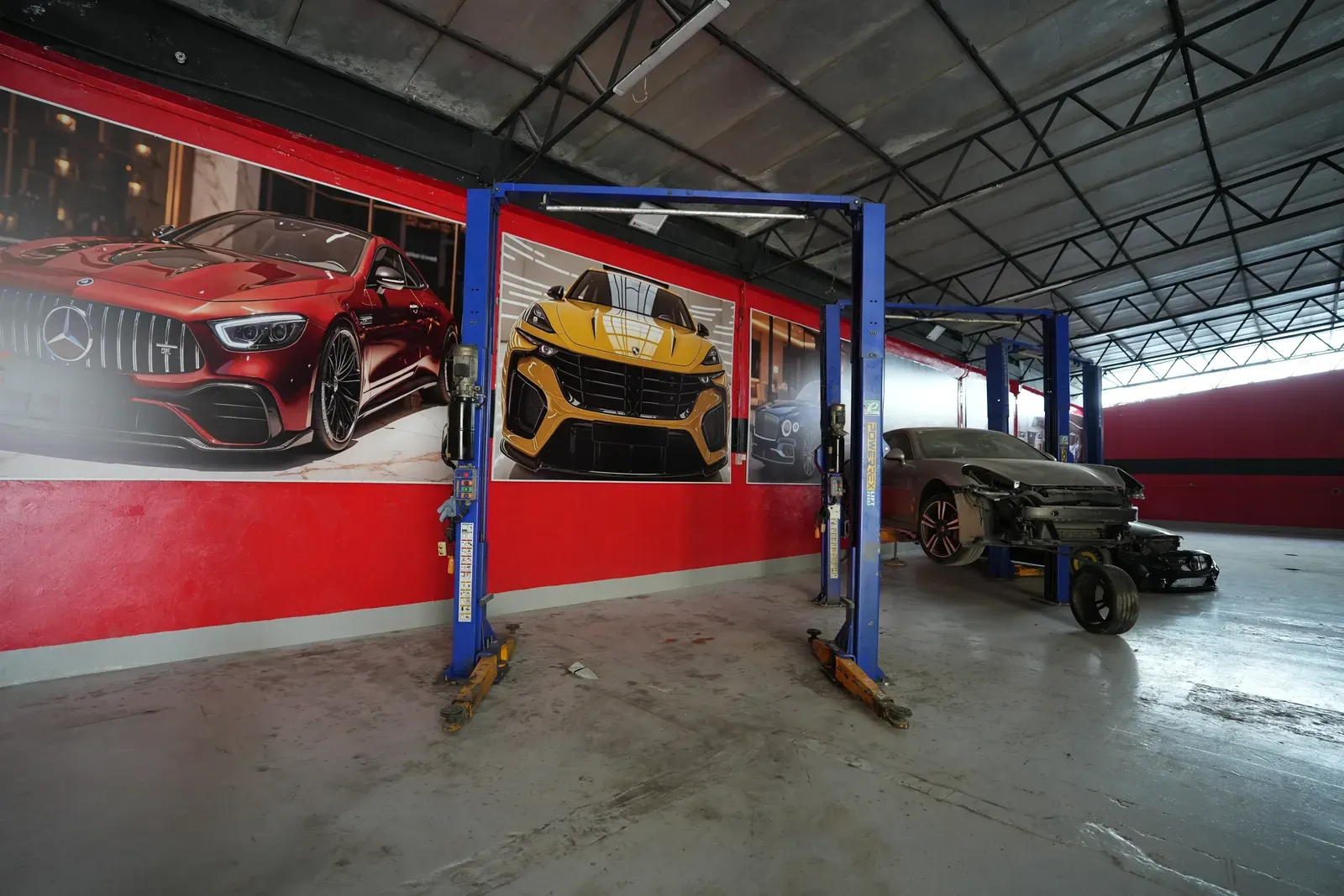
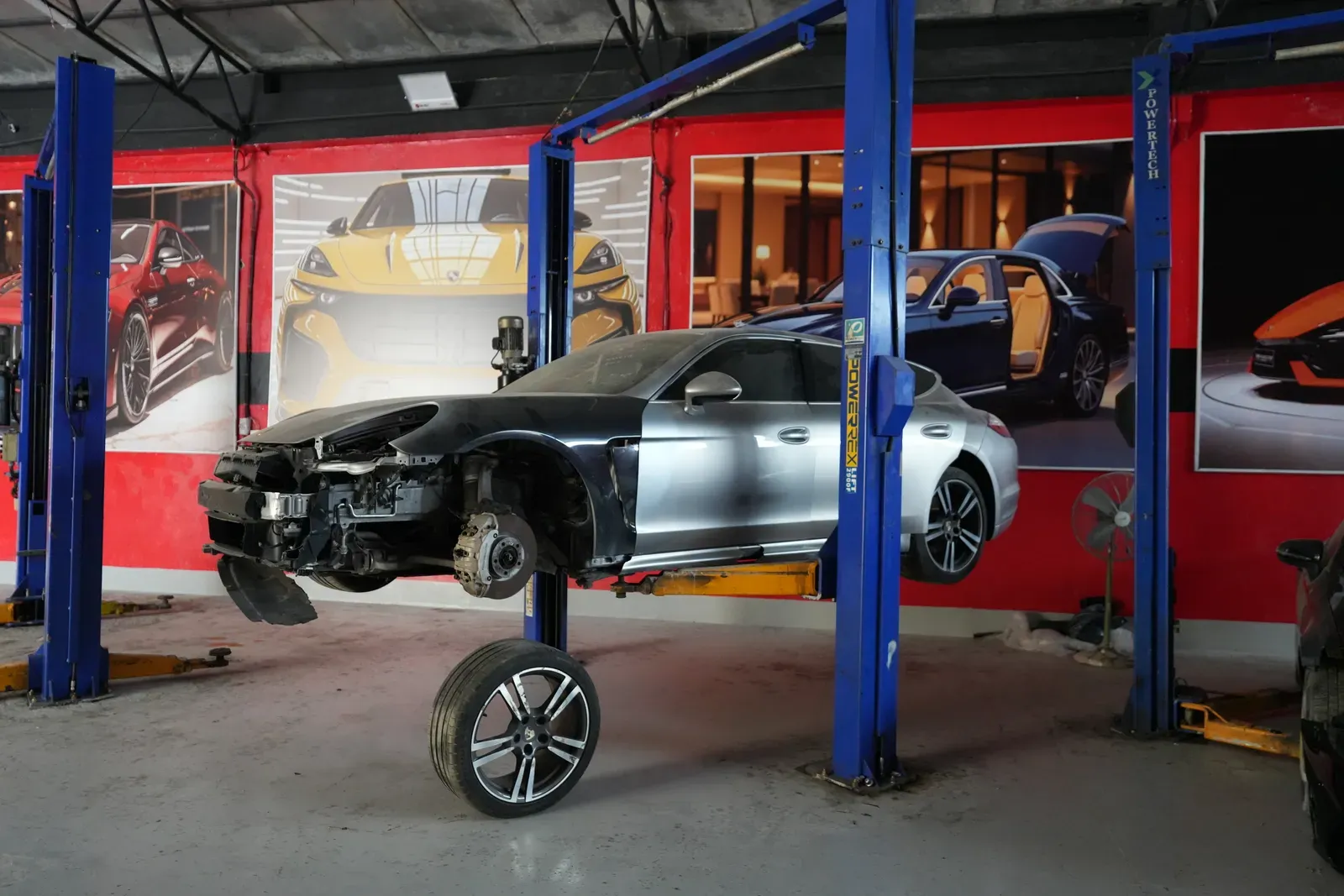
This work is done in this workshop, and nothing on your car is touched until you know what we found and what it costs.
3
What happens
-
3.1
The supply is proved before anything is blamed
Battery condition and charging output come first, because almost every strange electrical symptom in a car can be produced by a weak battery or a poor earth. A healthy 12 V battery sits around 12.6 V at rest, and charging voltage with the engine running normally lands between about 13.5 and 14.8 V.
-
3.2
A drain is a number, not an opinion
The car has to be left long enough for its modules to shut down, which on some cars takes the better part of an hour, and only then does the meter reading mean anything. Once we have the figure we pull fuses one at a time until it drops, which names the circuit.
-
3.3
We test connections under load
A corroded terminal reads perfectly with a meter until current flows through it. Voltage drop testing puts the circuit under its working load and shows where the voltage is being lost. It is the difference between finding a bad earth and replacing a good starter motor.
-
3.4
Repair the wire, not just the part
Where a loom is chafed or a connector has corroded we repair and protect the joint properly instead of taping over it and calling it done. A connector packed with grease to hide green corrosion is a fault that comes back in the next humid month.
4
Common questions
My battery is new but the car still goes flat. Why?
A new battery replaces the victim, not the cause. The usual causes are a drain from a circuit that stays awake, an alternator that is not charging properly, or a connection with enough resistance that the battery never fills. All three are measurable in an afternoon and none of them is fixed by another battery.
How long does it take to find an electrical fault?
Longer than most jobs and we will not pretend otherwise. A drain hunt needs the car to be left, sometimes overnight, because a fault that only appears after the car has been standing cannot be found while you wait. We agree the time and the cost of the search with you before it starts, separately from any repair.
Can you repair an alternator or do you only replace it?
Some alternator faults are a regulator, a brush set or a pulley, and those are repairable. A failed rotor or a burnt stator is not worth the labour. We open it and tell you which, with the price of both routes, rather than defaulting to the one with the bigger invoice.
Do you fit accessories, cameras and audio?
Where we do, the wiring is fused at the source and tapped at a point designed to take it, never spliced into a random live wire behind the dashboard. A large share of the drain and burnt-loom faults we see started as an accessory fitted quickly by someone else. If a job needs a specialist we will tell you that instead of improvising.
Related services
Work that is often quoted alongside this, each with its own page.
- Car battery Tested before it is replaced, and registered to the car when the car requires it.
- Car diagnostics Scan, live data and testing until the fault is proved — not a code read off a screen.
- Car repair General mechanical repair — cooling, belts, leaks, exhaust, the work that keeps a car usable.
- Car AC repair Leak testing, regas, compressor and evaporator work.